Posted on

10 Workplace Emergency Preparedness Mistakes That Could Leave Your Team Unprepared

You have an emergency plan. Your employees have been told where to go. There’s a first aid kit somewhere in the building. You’ve got a spill kit on the jobsite. So you’re prepared…right?

Maybe.

The problem with emergency preparedness is that the gaps often don’t become obvious until something goes wrong.

A plan can look perfectly good on paper and still fail when employees don’t know who is responsible for what, an evacuation route has changed, a spill kit isn’t appropriate for the material released, or nobody remembers where the emergency contacts are.

OSHA recommends emergency action planning as a way to help employers and workers respond effectively when an emergency occurs. For employers subject to OSHA’s Emergency Action Plan requirements, the plan must address specific elements including reporting emergencies, evacuation procedures, accountability, rescue or medical duties, and responsible contacts.

Here are 10 common mistakes worth checking before you need your emergency plan.


1. Your Emergency Plan Exists—but Nobody Knows It Exists

One of the easiest mistakes to make is assuming that because an emergency plan exists, employees know what it says.

They may not.

Employees should understand the portions of the plan that apply to them, including how to report an emergency, where to evacuate or shelter, how accountability works, and what responsibilities they may have.

OSHA requires review of applicable emergency action plans with employees at specified points, including when the plan is developed, when responsibilities change, and when the plan changes.

Ask yourself:

If you stopped five employees at random today and asked, “What do you do if the alarm sounds?” would you get five reasonably consistent answers?

If not, there’s work to do.


2. The Plan Is Outdated

This is especially important for construction sites and other workplaces where conditions change.

A new piece of equipment is installed.

A wall is moved.

A chemical is introduced.

An excavation changes access to part of the site.

A new employee takes over an emergency responsibility.

A subcontractor joins the project.

Suddenly, the plan that was accurate six months ago may not accurately describe today’s workplace.

OSHA recommends reviewing and updating emergency plans when changes to layout, equipment, hazardous materials, processes, personnel responsibilities, or hazards affect emergency procedures.

If your workplace changes, your emergency plan should change with it.


3. You Have an Evacuation Route—but No Backup

What happens if the primary exit is blocked?

A fire, structural problem, equipment incident, severe weather event, or other emergency could make a normally usable route unavailable.

Your emergency planning should consider alternate routes and the different types of emergencies that could require evacuation or shelter.

OSHA notes that evacuation procedures should address the different types of emergencies that may occur and the appropriate response for each.

Ask:

“If our normal exit were blocked right now, where would everyone go?”

If the answer is silence, you found a gap.


4. Nobody Has a Reliable Way to Account for Employees

Getting everyone out of a building or away from a hazard is only part of the problem.

How do you know everyone is out?

Your plan should establish a method for accounting for workers after evacuation.

That becomes more complicated when you have:

  • Multiple shifts
  • Contractors
  • Temporary workers
  • Visitors
  • Employees working away from the main facility
  • Large construction sites
  • Multiple crews

OSHA identifies employee accountability after evacuation as a required element of EAPs covered by 29 CFR 1910.38 and 29 CFR 1926.35.

A headcount process that only works when everyone is standing at the front door isn’t much of a process.


5. You Forgot About Contractors and Visitors

Your employees may know the emergency procedures.

But what about the electrician who arrived this morning?

The delivery driver?

The subcontractor working on the other side of the site?

The customer visiting the facility?

The temporary worker who started yesterday?

Emergency planning should account for everyone who may be exposed to the emergency—not just the people who appear on the payroll.

This is especially important on construction sites and multi-employer worksites.

A good question to ask:

“If a visitor arrived five minutes before an emergency, how would we get them to safety?”


6. Your Emergency Equipment Is There—but You Can’t Find It

This one sounds ridiculous until you need something immediately.

Where’s the first aid kit?

Where’s the spill kit?

Where are the emergency lights?

Where are the fire extinguishers?

Where are the radios?

Where’s the eyewash?

Who knows?

OSHA’s emergency preparedness guidance recommends identifying common emergency equipment and assigning responsibility for inventorying and maintaining emergency equipment and supplies.

Emergency equipment should be:

Accessible.

Identifiable.

Appropriate for the hazard.

Maintained.

And, most importantly:

Known to the people who may need it.

Southern Safety Tip

Don’t just ask whether you have an emergency kit.

Ask:

“Could a new employee find it in under two minutes?”

If not, consider improving signage, location, training, or all three.


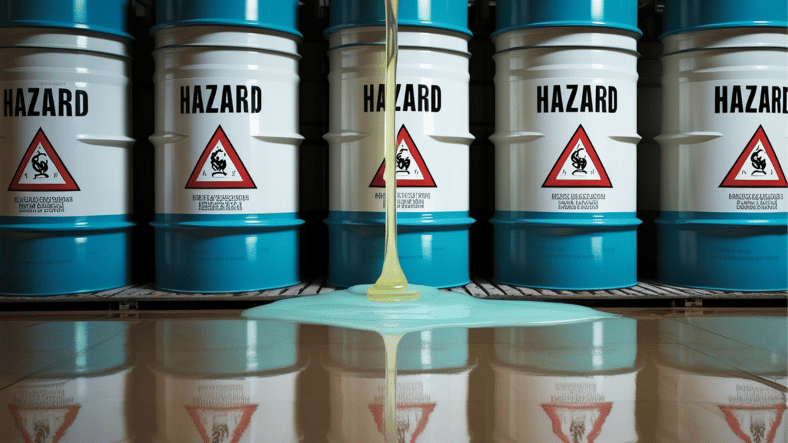
7. You Bought a Spill Kit—but Didn’t Consider What Could Actually Spill

A spill kit isn’t a universal solution.

The right response equipment depends on the material and the circumstances.

For example, a workplace dealing primarily with oils and fuels may have different spill-response needs than a facility handling corrosive or hazardous chemicals.

Before buying emergency spill supplies, identify:

  • What materials are present?
  • How much could potentially be released?
  • Where are those materials stored or used?
  • What PPE may be needed?
  • Who is trained and authorized to respond?
  • When should employees evacuate instead?
  • When should outside emergency responders be contacted?

Some hazardous-substance emergency response activities can trigger OSHA’s HAZWOPER requirements. Employers should not assume that every employee is authorized or trained to handle a hazardous-material emergency simply because a spill kit is available.

Related Southern Safety resource:

Spill Happens: What Should You Do During a Workplace Spill?

Need spill-response supplies?


8. You’ve Never Actually Practiced the Plan

This may be the biggest one.

A plan can look great in a meeting.

Then the alarm goes off.

Someone asks where everyone is supposed to go.

Someone else can’t hear the alarm.

The assembly area is blocked.

Nobody knows who is counting employees.

And suddenly everyone discovers the plan has some holes.

OSHA recommends practice drills as often as necessary to keep employees prepared and encourages employers to evaluate the strengths and weaknesses of the plan after each drill.

A drill doesn’t have to be elaborate.

Try a scenario such as:

“At 10:15 Tuesday morning, a forklift strikes a container and a spill occurs.”

Then ask:

  • Who reports it?
  • Who sounds the alarm?
  • Who stops nearby work?
  • Who evacuates?
  • Where does everyone go?
  • Who accounts for workers?
  • Who contacts emergency responders?
  • Who is authorized to address the spill?
  • What happens afterward?

You may learn more from a 15-minute exercise than from another hour spent reading the emergency plan.


9. You Prepared for the Emergency—but Not the Aftermath

The immediate danger isn’t necessarily the end of the problem.

After an emergency or drill, ask:

  • Did everyone get accounted for?
  • Did communication work?
  • Were emergency routes accessible?
  • Was the correct equipment available?
  • Were there delays?
  • Were employees confused about their responsibilities?
  • What supplies were used?
  • What needs to be replaced?
  • Does the plan need to be updated?

OSHA recommends evaluating drills, identifying strengths and weaknesses, and improving the plan based on what you learn.

Emergency preparedness should be a cycle:

Plan → Train → Practice → Evaluate → Improve

Then do it again.


10. You Don’t Know What You Don’t Know

This may be the hardest mistake to catch.

Every workplace has hazards that are easy to overlook because they’re part of the normal routine.

A forklift has always operated in that area.

The fuel tank has always been there.

The chemical has always been stored in that room.

The excavation has always been on that side of the site.

The same emergency equipment has been sitting in the same cabinet for years.

Familiar doesn’t mean safe.

Start your emergency preparedness review by walking the workplace with fresh eyes.

Look at:

Environmental risks

Severe weather, flooding, extreme temperatures and other natural hazards.

Operational risks

Equipment failures, vehicle incidents, utility strikes, power failures and machinery emergencies.

Chemical risks

Spills, leaks, releases, incompatible materials and exposure hazards.

Structural risks

Collapse, falling objects, excavation incidents, scaffolding problems and temporary structures.

Fire and life-safety risks

Fire, smoke, explosion, electrical emergencies and gas releases.

OSHA recommends conducting a hazard assessment that considers physical and chemical hazards inside or outside the workplace that could create an emergency, along with the site’s layout, structural features and emergency systems.


The 5-Minute Preparedness Test

Want to see where your plan stands?

Ask your team these five questions:

1. What is the most likely serious emergency we could face?

2. How would you know it was happening?

3. Where would you go?

4. Who is responsible for coordinating the response?

5. What equipment would you need—and where is it?

If your team can answer those questions quickly and consistently, you’re off to a good start.

If they can’t, don’t panic.

You’ve just identified what to work on next.


Ready to Find the Gaps?

Southern Safety Supply can help you identify practical safety and emergency-response equipment for your workplace or jobsite.

That may include:

  • First aid supplies
  • Spill kits and absorbents
  • Safety eyewear
  • Gloves
  • Emergency eyewash
  • High-visibility apparel
  • Barricades and warning products
  • Emergency lighting
  • Jobsite safety equipment
  • Other PPE appropriate to your hazards

And if keeping critical PPE and emergency supplies stocked is a challenge, ask us about Never Out™ Inventory Management.

The goal isn’t to sell you a bigger emergency cabinet.

It’s to help make sure that when something goes wrong, your people aren’t standing around asking, “Where’s the stuff we need?”


Keep Building Your Emergency Preparedness Plan

This article is part of Southern Safety Supply’s Workplace Emergency Preparedness Resource Center.

Continue with:

What Does OSHA Require for an Emergency Action Plan?

Jobsite Emergency Preparedness Checklist

→ Emergency Preparedness for Construction Sites

→ What Should Be in a Workplace Emergency Kit?

→ Spill Happens: What Should You Do During a Workplace Spill?

→ Emergency Drills: Does Your Team Actually Know What to Do?


Sources & Further Reading

This article is provided for general educational purposes and is not a substitute for a site-specific hazard assessment, emergency action plan, training, or applicable federal, state, and local requirements.

Posted on

Night Work Zone Safety at Night:

Protecting Workers After Dark

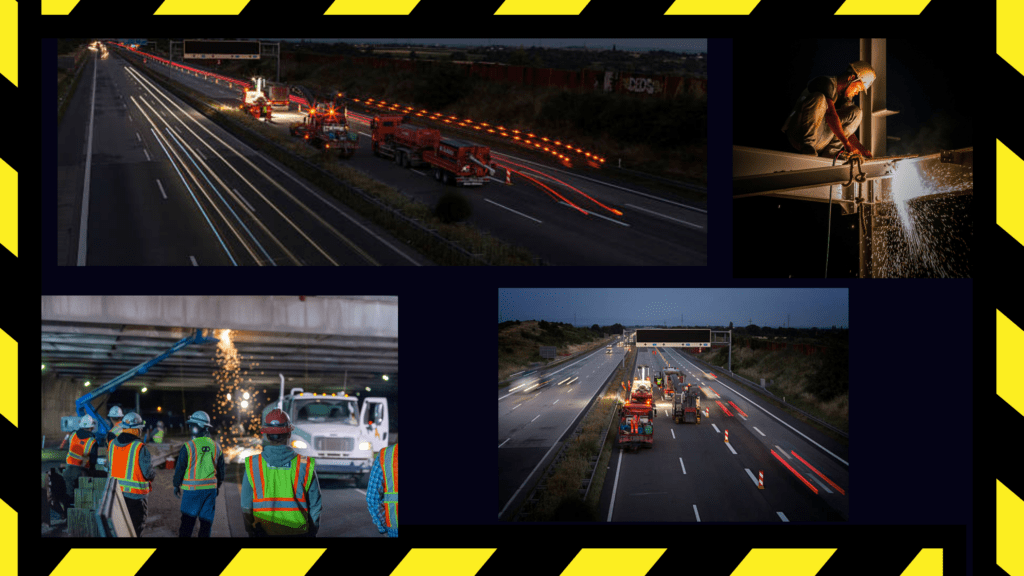
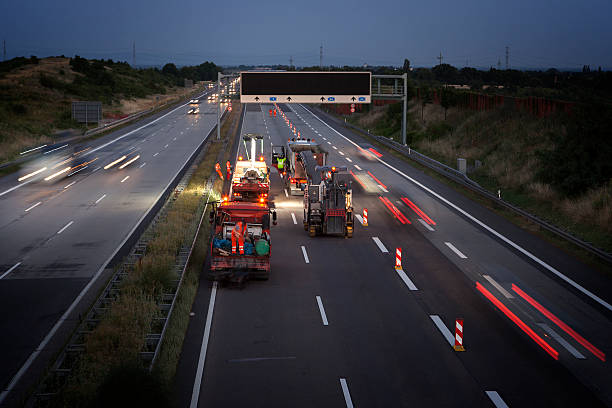
Road construction workers wearing ANSI high-visibility apparel in a nighttime work zone illuminated by traffic control lighting.

Night work zones help keep projects moving, reduce traffic congestion, and allow critical repairs and construction to continue with less disruption. However, working after dark creates challenges that significantly increase risk for both workers and motorists.

Reduced visibility, driver fatigue, improper lighting, and changing traffic patterns can all contribute to incidents in a nighttime work zone. Understanding these hazards and preparing for them is essential for contractors, utility crews, public works departments, and transportation teams.

Download Our Free Night Work Zone Safety Checklist

Preparing for a nighttime project? Download our free Night Work Zone Safety Checklist to help your crew review traffic control, lighting, PPE, fatigue management, and emergency preparedness before work begins.

Why Night Work Zone Safety Matters

Nighttime operations are inherently different from daytime work. Studies have shown that driver reaction times can be up to 50 percent slower at night because of reduced visibility, glare, and fatigue. Drivers often rely on expectations instead of details, increasing the likelihood of sudden braking, missed signs, and incorrect lane choices.

Workers can also experience fatigue during overnight operations, reducing awareness and increasing the potential for mistakes. Effective night work zone safety requires a coordinated approach that combines visibility, traffic control, lighting, and worker readiness.

Visibility Is About Recognition, Not Brightness

A common misconception is that brighter always means safer. In reality, drivers need to quickly recognize what they are seeing and understand where to travel.

Confusing traffic patterns, inconsistent device placement, and visual clutter can delay reactions and increase risk. A well-designed work zone uses clear traffic control layouts, clean reflective devices, and consistent channelization to help drivers instantly recognize the intended path through the work zone.

Lighting and Driver Behavior After Dark

Lighting is one of the most important elements of a nighttime work zone, but poor lighting can create new hazards. Improperly aimed lights can produce glare, reduce contrast, and make hazards more difficult to identify.

Driver behavior also changes after dark. Limited visibility and fatigue can lead to delayed reactions and poor decisions. Simple, easy-to-understand traffic control measures and properly directed lighting help motorists navigate work zones more safely.

High-Visibility PPE and Worker Readiness

High-visibility PPE remains one of the final layers of protection between workers and moving traffic. ANSI-compliant high-visibility apparel uses retroreflective materials that help workers stand out in vehicle headlights, but only when garments are properly maintained and workers remain visible from all directions.

Fatigue is another critical factor. Alertness naturally decreases during overnight hours, especially between 2:00 a.m. and 5:00 a.m. Monitoring workers for signs of fatigue, encouraging hydration, scheduling breaks, and rotating tasks can significantly improve worker readiness and reduce risk.

A Systems Approach to Night Work Zone Safety

There is no single product or procedure that makes a nighttime work zone safe. Effective work zone safety depends on several elements working together, including traffic control, lighting, high-visibility PPE, fatigue management, and ongoing worker training.

By focusing on visibility, consistency, and human factors, organizations can reduce confusion, improve driver recognition, and create safer conditions for everyone on the roadway.

Southern Safety Supply LLC provides ANSI-compliant high-visibility apparel, traffic control products, lighting solutions, hard hats, and jobsite safety equipment to help organizations prepare for nighttime operations. Whether you’re managing a roadway project, utility repair, public works operation, or industrial shutdown, our team can help keep your crews visible, compliant, and protected.

Contact Southern Safety Supply LLC, today to learn more about our work zone safety solutions.

Never Out™ Inventory Management

Running Low on Safety Gear?

Night work is hard enough without discovering you’re short on vests, gloves, hard hats, batteries, or traffic control products. Southern Safety Supply’s Never Out™ Inventory Management Program helps keep critical PPE and safety supplies stocked, organized, and ready when your crews need them.

Posted on

June Safety News: OSHA Heat Updates, Industry Events & Community Partnerships

Summer Safety in Tennessee

With extreme temperatures becoming more common throughout Tennessee and the Southeast, OSHA has officially revamped its 5-Year Heat Enforcement Program to help employers better protect workers from heat-related illnesses.

Heat stress remains one of the most preventable workplace hazards, yet thousands of workers are exposed to dangerous conditions every summer. Industries such as construction, public works, utilities, manufacturing, and transportation face elevated risks when temperatures and humidity rise.

Employers can help reduce heat-related incidents by implementing hydration programs, providing shaded rest areas, scheduling cooling breaks, and equipping workers with heat-stress prevention products.

Southern Safety Supply offers several solutions designed to help crews stay safe and productive during hot weather, including:

These products help workers stay cooler and more comfortable during long shifts in the summer heat while supporting workplace heat illness prevention efforts.

Learn more from OSHA: OSHA Heat Enforcement Program

Regional Emphasis Program for Heat Illness Prevention Download

Celebrating Public Works Week in Knoxville

Southern Safety Supply was proud to participate in the Public Works Week Field Day celebration honoring the dedicated professionals who help keep Knoxville running every day.

This year’s theme, “Rooted in Service, Powered by Community,” highlighted the critical role public works employees play in maintaining infrastructure, transportation systems, utilities, and public services throughout our community.

We extend our appreciation to Ben Buckner, Logistics & Supply Manager; Pamala Cotham, Supplier Outreach Manager; and Luis Garcia, Supplier Outreach Specialist, for their leadership, partnership, and ongoing support throughout the year.

We also want to recognize Connor Buis for representing Southern Safety Supply during the event and helping strengthen the relationships that support our local communities.

Public Works Week -OSHA Heat Updates Industry Events & Community Partnerships

Congratulations to Our Fenix Flashlight Giveaway Winner!

Congratulations to Randy Merritt of Brabston, Inc. for winning our Fenix RT Angle Flashlight giveaway.

Randy Merritt receiving the flashlight -OSHA Heat Updates Industry Events & Community Partnerships

We appreciate everyone who stopped by, connected with our team, and shared insights about the safety challenges and successes happening across our region. Building relationships with the professionals who keep our industries operating safely remains one of the most rewarding parts of what we do.

Knoxville Hosts Historic NAWIC Southeast Region Spring Forum

NAWIC Forum, OSHA Heat Updates Industry Events & Community Partnerships
OSHA Heat Updates Industry Events & Community Partnerships

The 2026 NAWIC Southeast Region Spring Forum made history as Knoxville hosted the event for the first time ever.

The forum brought together women from across the Southeast construction industry for leadership development, professional networking, educational sessions, and meaningful conversations about the future of construction.

Attendees participated in inspiring presentations, networking opportunities, and community-building events that showcased both the strength of the industry and the welcoming spirit of East Tennessee.

A special thank you goes to Becca Schladt and Emmy Mollish for the dedication, planning, and leadership that helped make the event such a tremendous success. Their efforts created an experience that fostered connection, encouragement, and professional growth for attendees throughout the region.

Events like the NAWIC Southeast Region Spring Forum continue to strengthen the construction industry by supporting leadership development, mentorship, and collaboration among women building the future of our communities.

Supporting Workplace Safety Across Knoxville and the Southeast

At Southern Safety Supply, our mission goes beyond providing safety products. We are committed to supporting the organizations, municipalities, contractors, and industrial facilities that help keep our communities safe, productive, and thriving.

Whether through heat-stress prevention solutions, participation in community events, industry partnerships, or educational initiatives, we remain focused on helping workers return home safely at the end of every shift.

As temperatures continue to rise this summer, now is the time to review your heat illness prevention plan, ensure workers have access to hydration and cooling solutions, and stay informed about OSHA’s latest heat safety guidance.

For safety products, PPE solutions, and workplace safety expertise throughout Knoxville, East Tennessee, and the Southeast, Southern Safety Supply is ready to help.

Posted on

May 2026 Construction Safety & Industry Update

Construction season is ramping up across East Tennessee, and contractors are preparing for busy schedules, hotter temperatures, and evolving safety demands. At Southern Safety Supply, we’re helping crews stay ready with dependable PPE, emergency deliveries, safety expertise, and practical solutions built for real jobsites. From TN811 growth to women-specific PPE and hands-on safety training at Safety Fest TN 2026, here’s what matters most this month.

East Tennessee Construction Growth Means Crews Need Reliable Safety Partners

Summer work is accelerating across Tennessee, and contractors are feeling the pressure to keep projects moving safely and efficiently. With over 317,000 dig requests processed annually through Tennessee 811, East Tennessee continues leading the state in new requests, with Knoxville ranking #1 in growth activity.

That growth creates opportunity—but also increases the need for dependable suppliers, fast turnaround times, and safety support contractors can count on.

One thing we continue hearing from utilities and contractors alike is simple: relationships matter. During a recent AGC lunch & learn, representatives discussed how organizations like Chattanooga Electric Power Board prioritize dependable supplier partnerships and responsive customer service just as much as competitive pricing.

That’s exactly where Southern Safety Supply LLC helps customers succeed. Whether crews need emergency PPE delivery, replacement safety gear, or quick answers from someone who understands the field, having the right support partner keeps projects moving.

Three Quick TN811 Reminders for Busy Crews

Dig permits aren’t just for large commercial projects—homeowners need them too.

Every contractor must have their own permit. Borrowing someone else’s permit is not allowed.

Bottom line: whether you’re breaking ground on a major commercial site or tackling a weekend residential project, TN811 is one of the easiest ways to keep crews safe and projects on track.

Safety Fest TN 2026 Put Real-World Safety Front and Center

Safety Fest TN 2026 brought safety to life with hands-on demonstrations, live field operations, and real-world training scenarios that went far beyond the classroom.

Participation from the Tennessee Valley Authority and the Tennessee Army National Guard added practical field perspective, while attendees including Consolidated Nuclear Security highlighted the strong industry engagement surrounding workplace safety this year.

Events like Safety Fest reinforce an important reality:

crews need more than products. They need fast support, knowledgeable partners, and access to safety solutions that actually work in the field.

That’s why Southern Safety Supply continues investing in services that help customers respond quickly when problems happen, including:

  • Emergency PPE delivery
  • Never Out safety supply services
  • Fast replacement options for damaged equipment
  • On-site support and product recommendations
  • Specialized PPE solutions for different workforce needs

5 Signs Your Fall Arrest Harness May Need Replaced

  1. Frayed webbing or cuts
  2. Missing labels or inspection tags
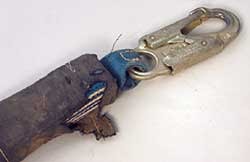
  3. Rusted or damaged hardware
  4. UV fading or brittle material
  5. Equipment involved in a previous fall event

If your gear shows any of these signs, it may be time for replacement before the next jobsite inspection—or worse, an incident.

Did You Know?

Southern Safety Supply offers Never Out™ PPE delivery to help crews avoid costly downtime when safety equipment fails unexpectedly.

Women in Construction Deserve PPE That Actually Fits

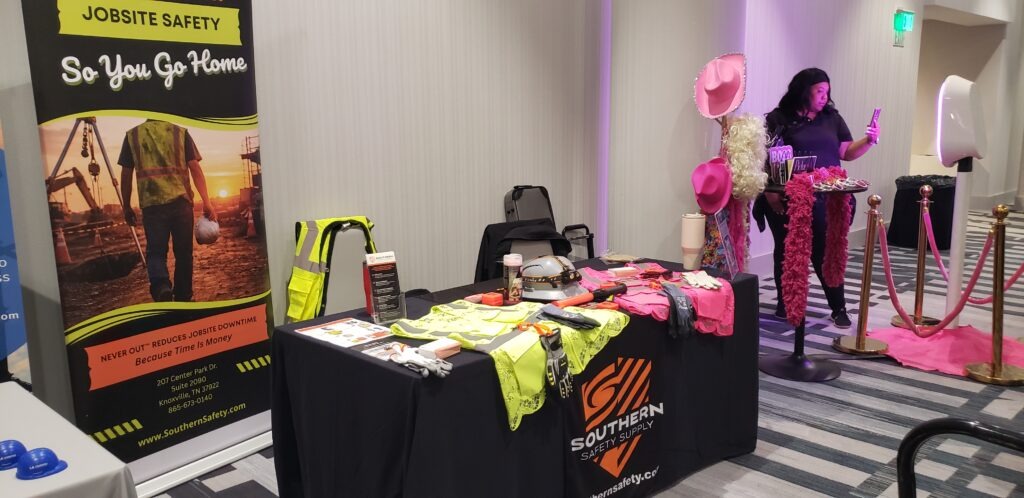
Channeling a little sparkle from Dolly Parton, we’re celebrating the women helping keep Tennessee building strong—and making sure they have PPE designed to truly fit.

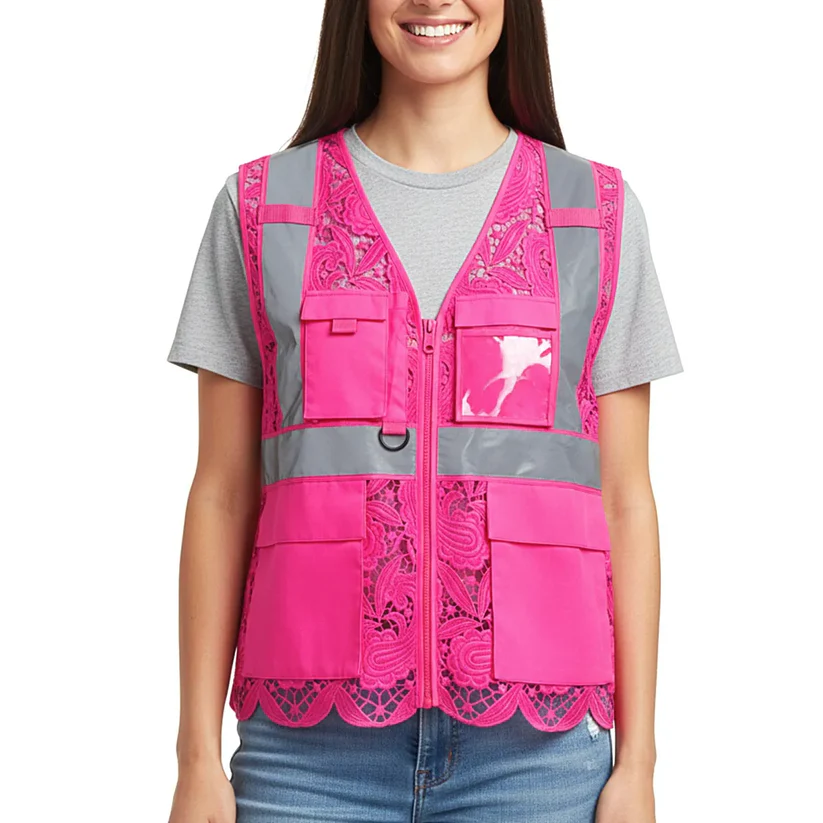
Women in construction continue reshaping the industry, but properly fitted PPE is still too often overlooked. Gear built specifically for women improves comfort, mobility, and protection while helping crews stay productive throughout long shifts.

Inspired by the support and encouragement highlighted during the National Association of Women in Construction Southeast Region events, Southern Safety Supply is proud to help outfit hardworking women with safety gear designed for real-world performance.

Whether it’s gloves, high-visibility apparel, harnesses, or protective footwear, the right fit matters.

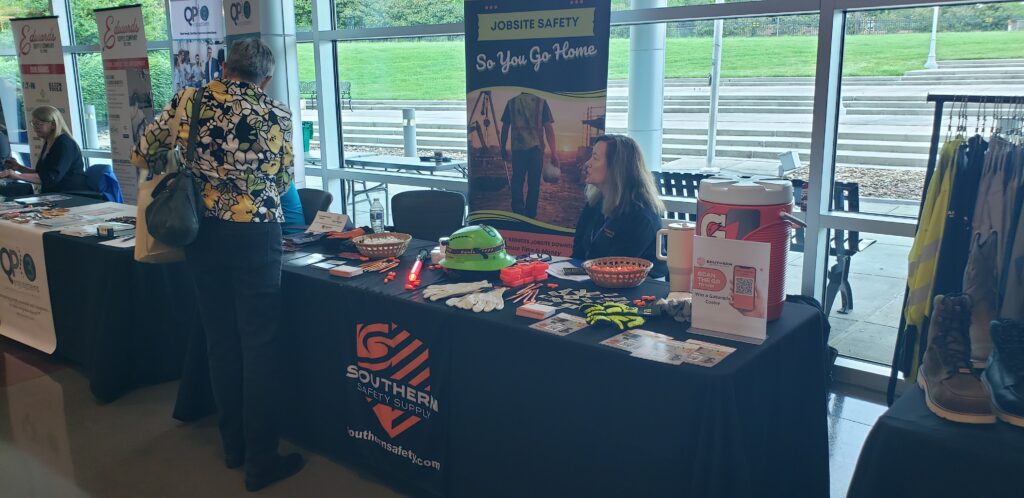
Stop by our Dolly-themed photo booth—or contact our team to learn more about PPE options designed specifically for women in construction.

Seasonal Safety Reminder

As temperatures rise heading into summer, crews should review heat stress prevention plans, hydration practices, and jobsite dress code policies. Some updated OSHA guidance allows more flexibility depending on site-specific requirements, including the use of shorts in certain environments if approved by site leadership.

Always verify site-specific PPE and dress requirements with your supervisor or safety manager before changing workwear practices.

Posted on

Back to School Safety Tips for Roads, Jobsites & Pedestrian Zones

back-to-school-safety-tips

Back to School Safety Tips for Roads, Job sites & Pedestrian Zones

School’s Back – Safety Tips for Roads, Job sites & More

When the school year starts, safety becomes everyone’s responsibility—from drivers and road crews to contractors working near neighborhoods. With increased pedestrian traffic, early morning congestion, and active crosswalks, August is the perfect time to refresh your safety strategy.

Here are key safety tips and gear to help protect students, workers, and drivers.

🛑 School Zone & Pedestrian Safety

Back to school means slower speeds, higher awareness, and more foot traffic. Be prepared with:

  • High-visibility vests for crossing guards, school staff, and work crews
  • MUTCD-compliant road signs like “School Zone Ahead,” “Crosswalk,” and “Slow – Children at Play”
  • LED stop paddles and lighted batons for increased visibility in early mornings

Tip: If you supply traffic control gear to a school district or municipality, now is the time to restock! [Link to your traffic safety gear section]

🦺 Worksite Adjustments During School Hours

If your team is working near a school, church, or residential zone, timing and visibility are critical.

  • Avoid noisy equipment during school drop-off/pick-up times
  • Use barricades, cones, and temporary signage to redirect traffic safely
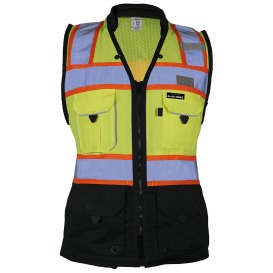
  • Make sure all workers wear Class 2 or Class 3 reflective apparel

Product spotlight: Our best-selling hi-vis cooling vest keeps your crew safe and comfortable on hot school-day mornings. [Link to product page]

🚌 Shared Responsibility on the Road

Contractors, utility crews, and drivers must all slow down and pay attention.

  • Remind your team about blind spots, especially around school buses and pedestrians
  • Equip trucks with backup alarms and wide-angle mirrors
  • Be alert for bike traffic and younger pedestrians in crosswalks

📦 Need to Stock Up for Back to School?

Back to school safety starts here! Whether you’re a school administrator, city buyer, or contractor working near high-traffic zones, Southern Safety Supply has the gear you need:

  • Traffic cones and sign kits
  • Reflective apparel and accessories
  • Handheld signs, paddles, and barricades
  • Electrolytes and cooling gear for hot mornings

👉 “Back to School Safety

Final Tip: Partner With a Safety Supplier Who Gets It

As a small local business, Southern Safety Supply understands your unique needs. We’re here to help you protect your team—and your community—this school year and beyond.

📞 Call us at 865-673-0149 or stop by between 8:00–4:30 ET, Monday–Friday. Let’s build a safer season together.

School Bus Safety Info

#BackToSchoolSafety

#SchoolZoneSafety

#PedestrianSafety

#DriveAlert

#SlowDownForKids

#StayVisible

#SafetyFirstAlways

#WorksiteAwareness

#SafetyOnTheStreets

google-site-verification: googleddaf087b84679d28.html
Posted on

4th of July Jobsite Safety

alt="4th of July jobsite safety gear including fire extinguisher and cooling towel"

4th of July Jobsite Safety: Essential Gear for Fire, Heat, and Power Outages

4th of July jobsite safety should be a top priority for any crew working through the holiday week. With fireworks, record heat, and the risk of power outages, jobsites face seasonal hazards that can’t be ignored. Whether you’re working during the holiday or prepping the site before time off, it pays to be fire-ready, heat-aware, and well-lit—especially in emergencies.

This year, take steps to protect your team and equipment with the right gear and a solid safety plan. Here’s what every jobsite should have on hand before the fireworks begin.

4th of July Firework Safety Starts with Fire Prevention

4th of July fireworks are a summer tradition, but they can spark real danger on or near your jobsite. Keep ABC-rated fire extinguishers within reach, and be sure they’re properly inspected and up to date. Stock a burn care kit in your jobsite first aid box and review basic fire response procedures with your team.

For added protection, consider flame-resistant (FR) clothing or fire blankets when working near flammable materials. According to the National Fire Protection Association, thousands of firework-related injuries occur each year—making it critical that jobsites remain fire-ready during the holiday week.

Power Outages Can Strike Without Warning

Summer storms and grid overloads mean one thing: unexpected outages. Make sure your crew isn’t left in the dark with a supply of rechargeable flashlights, headlamps, and portable power banks. If your site relies on sensitive tools or systems, surge protectors and backup battery options are also a smart investment.

Having an emergency lighting plan ensures safety during shutdowns—and avoids unnecessary downtime when every minute counts.

Beat the Heat with Cooling Gear

Heat-related illnesses are one of the top safety concerns in July. Combat soaring temps with smart hydration and cooling strategies:

  • Cooling towels and vests
  • Wide-brim hard hat shades
  • Electrolyte freeze pops or drink mixes

Encourage regular water breaks, especially in the afternoon heat, and remind workers to look out for signs of heat stress. Just one overheated worker can become a serious medical emergency.

Stay Ready with Southern Safety Supply

At Southern Safety Supply, we’ve got everything you need to keep your crew protected this July—from fire extinguishers and first aid kits to cooling gear and emergency lighting. Don’t wait until it’s too late—stock up on summer safety essentials now and head into the holiday with confidence.

📞 Call us at 865-673-0149 or visit us in-store Monday–Friday, 8:00 a.m. to 4:30 p.m. Eastern.
Our team is here to help you build a safer worksite—holiday or not.

Your Safety, Your Gear—Ready When You Need It!