
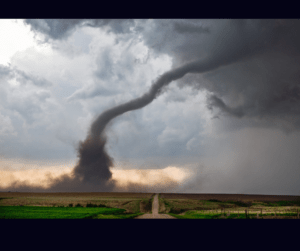



If an emergency happened at your workplace or jobsite today, would your employees know what to do?
That is the basic purpose of an Emergency Action Plan (EAP).
An EAP establishes procedures for employees and employers to follow during workplace emergencies. OSHA says a well-developed plan should be based on the hazards at the worksite, its layout, structural features, emergency systems, and the types of emergencies workers could encounter.
But here’s where things can get confusing:
Does OSHA require every employer to have a written Emergency Action Plan?
Not necessarily under the same requirement.
OSHA’s 29 CFR 1910.38 says an employer must have an EAP when an OSHA standard in that part requires one. OSHA’s construction standard, 29 CFR 1926.35, similarly applies to emergency action plans required by a particular OSHA standard. Other OSHA standards can trigger EAP requirements as well.
So let’s break down what employers need to know.
What Is an Emergency Action Plan?
An Emergency Action Plan is a workplace plan that describes the actions employers and employees should take to protect themselves during an emergency.
Depending on the workplace, emergencies may include:
- Fire
- Severe weather
- Chemical releases
- Explosions
- Flooding
- Utility failures
- Equipment incidents
- Workplace injuries
- Structural emergencies
- Other events that could threaten employees
OSHA recommends starting with a hazard assessment to identify physical and chemical hazards that could cause an emergency. The plan should then describe how workers will respond to the emergencies relevant to that particular workplace.
A generic plan downloaded from the internet isn’t necessarily a good plan for your workplace.
Your plan should reflect your actual operation.
Does OSHA Require Every Business to Have an EAP?
The short answer: No—not under 29 CFR 1910.38 alone.
This is one of the most common points of confusion.
Under 29 CFR 1910.38(a), an employer must have an Emergency Action Plan whenever an OSHA standard in Part 1910 requires one.
OSHA identifies several standards that can require compliance with 1910.38, including standards addressing areas such as:
- Process Safety Management
- Hazardous materials and emergency response
- Fire protection
- Grain handling
- Certain chemical exposures
- Other specific workplace hazards
OSHA’s EAP guidance also provides an expert system employers can use to help determine whether their circumstances trigger the requirement.
For construction, 29 CFR 1926.35 applies to emergency action plans required by a particular OSHA standard and establishes minimum elements for those plans.
The important takeaway:
Don’t interpret “OSHA doesn’t require every employer to have an EAP under 1910.38” as “we don’t need an emergency plan.”
OSHA recommends emergency planning as a fundamental part of preparing for workplace emergencies, regardless of whether a particular standard triggers the written EAP requirement.
What Must an OSHA Emergency Action Plan Include?
When an EAP is required under 29 CFR 1910.38, OSHA specifies six minimum elements.
1. Procedures for Reporting a Fire or Other Emergency
Employees need to know how to report an emergency.
That could include:
- Calling 911
- Calling an internal emergency number
- Activating a fire alarm
- Contacting a supervisor
- Using a radio or other designated communication system
The important thing is that employees understand the procedure before an emergency occurs.
Ask your team:
“If you discovered a fire or serious emergency right now, exactly how would you report it?”
If employees give five different answers, your plan may need some work.
2. Emergency Evacuation Procedures and Exit Routes
Your EAP must address emergency evacuation procedures, including the type of evacuation and exit-route assignments.
Employees should understand:
- When evacuation is required
- Who can order an evacuation
- Which routes to use
- Where to assemble
- What alternate routes are available
- What they should do if their normal route is blocked
OSHA’s guidance notes that evacuation procedures should be designed around the specific emergencies that could occur at the workplace.
Don’t forget changing jobsites.
A construction site may have different access points, routes, equipment, excavations, structures, and work areas from one month to the next.
A route that worked when the project began may not be the best route today.
3. Procedures for Employees Who Remain to Perform Critical Operations
Some workplaces have operations that cannot simply be abandoned immediately.
The EAP must address procedures for employees who remain to operate critical plant operations before evacuating.
Examples might include procedures for safely shutting down equipment or processes before evacuation.
This section should be specific to your operation.
It should also be clear who is trained and authorized to perform those tasks.
You don’t want an emergency to become more dangerous because several employees independently decide to “shut things down.”
4. Procedures for Accounting for Employees After Evacuation
Getting everyone outside is only half the job.
You also need to know:
Is everyone actually out?
OSHA requires procedures for accounting for employees after evacuation under 29 CFR 1910.38(c)(4).
Your accountability procedure may need to consider:
- Different shifts
- Multiple work areas
- Contractors
- Temporary workers
- Visitors
- Employees working away from the main facility
- Large or changing construction sites
A simple headcount may work for a small office.
A large construction project may require something more sophisticated.
The method needs to fit the workplace.
5. Rescue and Medical Duties
If employees are assigned rescue or medical responsibilities as part of the emergency plan, those duties need to be addressed in the EAP.
This is also an area where employers need to be careful.
Don’t assign people emergency-response responsibilities simply because they happen to be nearby.
Employees performing designated rescue or medical duties need appropriate training and preparation for those responsibilities.
For hazardous-substance emergencies, additional OSHA requirements may apply depending on the employer’s role in the response.
6. Names or Job Titles of People Employees Can Contact
The plan must identify the name or job title of employees who can be contacted for additional information about the plan or an explanation of their duties.
This sounds simple.
But ask yourself:
Are those names and job titles still correct?
People change positions.
Employees leave.
Phone numbers change.
Responsibilities change.
An emergency plan should not depend on a person who left the company six months ago.
Keep your contact information current.
What About Employee Alarm Systems?
Under 29 CFR 1910.38(d), employers must have and maintain an employee alarm system when the standard applies. The alarm system must provide warning for necessary emergency action and comply with OSHA’s alarm requirements under 1910.165.
Employees need to understand what the alarm means and what action they are expected to take.
An alarm that nobody recognizes isn’t much of an emergency communication system.
Ask:
Does everyone know what our emergency alarm sounds like—and what they’re supposed to do when they hear it?
Does OSHA Require Emergency Action Plan Training?
Yes, when the EAP requirements apply, OSHA requires employers to designate and train a sufficient number of employees to assist in a safe and orderly evacuation.
The plan also needs to be reviewed with employees at specific times, including:
- When the plan is developed
- When an employee is initially assigned to a job
- When the employee’s responsibilities under the plan change
- When the plan itself changes
The construction requirements under 29 CFR 1926.35 similarly address reviewing the plan with employees and training designated employees who assist with evacuation.
Training shouldn’t mean simply handing someone a copy.
Employees should understand the parts of the plan that apply to them.
How Often Should an Emergency Action Plan Be Reviewed?
There isn’t one simple OSHA answer that says every workplace must review its entire EAP on a particular annual schedule under 1910.38.
However, OSHA’s requirements specifically call for review when the plan is developed, when employee responsibilities change, and when the plan changes.
And OSHA’s broader emergency-preparedness guidance recommends evaluating the plan and keeping it current as workplace conditions change.
Good times to review your plan include when:
- You move or remodel a facility
- Equipment changes
- New chemicals or hazardous materials are introduced
- Processes change
- Emergency equipment changes
- Employee responsibilities change
- New hazards are identified
- A construction site changes significantly
- A drill identifies a problem
- An actual emergency exposes a weakness
Don’t wait for the next emergency to discover that your plan is outdated.
What About Construction Sites?
Construction deserves special attention.
Under 29 CFR 1926.35, an emergency action plan required by an applicable OSHA standard must be in writing, subject to the exception provided in the standard, and must cover the designated actions employers and employees need to take to protect workers during fire and other emergencies.
The minimum elements include:
- Emergency escape procedures and route assignments
- Procedures for employees who remain to operate critical operations
- Procedures for accounting for employees
- Rescue and medical duties
- Means of reporting fires and emergencies
- Names or job titles of people who can provide additional information
OSHA also emphasizes that emergency planning needs to account for the specific worksite.
That matters on construction projects because the workplace isn’t static.
The jobsite you planned for in March may not be the jobsite you’re standing on in September.
What About Spill or Hazardous-Material Emergencies?
This is where emergency action planning can become more complicated.
A company that simply evacuates employees and relies on outside responders can have different HAZWOPER considerations than an employer whose employees are expected to respond to a hazardous-substance emergency.
OSHA’s HAZWOPER requirements address emergency response to hazardous-substance releases, and OSHA specifically notes that employers who evacuate employees and do not permit them to assist with the emergency may qualify for an exemption from certain emergency-response provisions if they meet the applicable conditions and provide an EAP meeting 1910.38 or 1926.35 requirements.
This is an area where “just grab the spill kit” is not an adequate emergency plan.
Your plan should identify:
- What hazardous materials are present
- Who is authorized to respond
- What training is required
- What PPE is appropriate
- When employees should evacuate
- Who contacts emergency responders
- What spill-response equipment is available
OSHA Emergency Action Plan Checklist
Use this quick review to see whether your plan addresses the major requirements.
Reporting
☐ Employees know how to report a fire or other emergency.
Evacuation
☐ Emergency evacuation procedures are established.
☐ Exit routes and assignments are identified.
☐ Employees understand evacuation procedures.
Critical Operations
☐ Procedures address employees who may remain temporarily to perform critical operations.
☐ Only properly designated/trained employees perform those duties.
Accountability
☐ Procedures exist for accounting for employees after evacuation.
☐ Contractors and visitors are considered where applicable.
Rescue & Medical
☐ Rescue or medical duties are identified where applicable.
☐ Employees assigned those duties have appropriate training.
Contacts
☐ Names or job titles of responsible contacts are current.
Alarm
☐ Employees know how emergency alarms are communicated.
☐ The alarm system meets applicable OSHA requirements.
Training & Review
☐ Employees receive applicable emergency-plan training.
☐ Designated evacuation-assistance employees are trained.
☐ The plan is reviewed when responsibilities or procedures change.
Site-Specific Hazards
☐ The plan reflects the actual hazards and conditions of the workplace.
☐ Construction-site changes are incorporated when applicable.
What OSHA Requires vs. What Good Preparedness Looks Like
This distinction is worth remembering.
OSHA requirements
Depending on the applicable standard, OSHA may require specific EAP elements, written plans, alarm systems, training, employee review, evacuation procedures, accountability procedures, and other measures.
Good preparedness
A strong emergency preparedness program goes beyond checking boxes.
It considers:
- Severe weather
- Fire
- Chemical releases
- Power outages
- Equipment failures
- Structural problems
- Medical emergencies
- Spill response
- Communication
- Shelter-in-place
- Contractors and visitors
- Changing jobsites
- Emergency equipment
- Drills and exercises
- Lessons learned after an emergency
OSHA recommends developing plans around the actual hazards and conditions of the worksite.
Compliance is the floor. Preparedness is what you build above it.
Are You Prepared—or Just Compliant?
That’s the question worth asking.
A binder on a shelf doesn’t evacuate a building.
A spill kit doesn’t train an employee.
An alarm doesn’t tell someone where to go.
And a plan nobody understands isn’t much of a plan.
The goal of an Emergency Action Plan is to help organize employer and employee actions during an emergency and reduce confusion when time matters.
Take a few minutes this month to ask your team:
“If something serious happened right now, what would you do?”
Their answers may tell you more about your preparedness than the document sitting in your safety office.
Need Help Getting Prepared?
Southern Safety Supply provides PPE, first aid, spill-response supplies, emergency equipment, visibility products, and other workplace safety supplies for businesses, contractors, manufacturers, municipalities, and other organizations.
We can help you identify products that fit the hazards and conditions of your operation—including:
- First aid kits
- Spill kits and absorbents
- Safety eyewear
- Gloves
- Emergency eyewash
- High-visibility apparel
- Barricades and warning products
- Emergency lighting
- Jobsite safety equipment
- Other PPE
And if maintaining critical PPE and safety supplies is a challenge, ask us about Never Out™ Inventory Management.
Being prepared isn’t just having the plan. It’s having the right equipment available when the plan has to be put into action.
Keep Building Your Emergency Preparedness Plan
This article is part of our National Preparedness Month work place safety series.
Continue exploring the series:
- National Preparedness Month: Your central resource for workplace emergency preparedness.
- 10 Workplace Emergency Preparedness Mistakes That Could Leave Your Team Unprepared.
- What Does OSHA Require for an Emergency Action Plan?
- Workplace Emergency Kits: What Should You Actually Have on Hand?
- First Aid and Emergency Supplies: What Does Your Workplace Really Need?
- Emergency Preparedness for Construction Sites: What Changes When the Jobsite Changes?
- Evacuation vs. Shelter-in-Place: Does Your Workplace Know the Difference?
- Emergency Drills: How to Test Your Plan Before You Need It.
- Severe Weather Emergency Preparedness: Is Your Workplace Ready?
- Spill Happens: Workplace Spill Response and Preparedness.
And don’t forget to download our Workplace Emergency Preparedness Checklist to help identify gaps in your current
Important Note
This article is provided for general educational purposes and is not legal or safety consulting advice. Emergency drills should be planned for the specific hazards and conditions of your workplace. Do not conduct exercises that create unnecessary risk or interfere with actual emergency response. Follow applicable OSHA requirements and coordinate with appropriate safety personnel and emergency responders when necessary.
Sources & Further Reading
- OSHA — 29 CFR 1910.38, Emergency Action Plans
- OSHA — 29 CFR 1926.35, Employee Emergency Action Plans
- OSHA — Emergency Preparedness and Response: Getting Started
- OSHA — Evacuation Plans and Procedures: Emergency Action Plan
- OSHA — Hazardous Waste Operations and Emergency Response
This article is provided for general educational purposes and is not a substitute for a site-specific hazard assessment, emergency action plan, training, or applicable federal, state, and local requirements.