
Let’s face it.
Spills happen.
A container gets knocked over. A hydraulic line leaks. A drum develops a problem. Someone drops a bottle of cleaning chemical.
The question isn’t whether your workplace will ever have a spill.
The better question is:
Will your employees know what to do when one happens?
A good spill response plan can help employees recognize hazards, protect themselves, contain an appropriate spill, and know when it is time to step away and call for help.
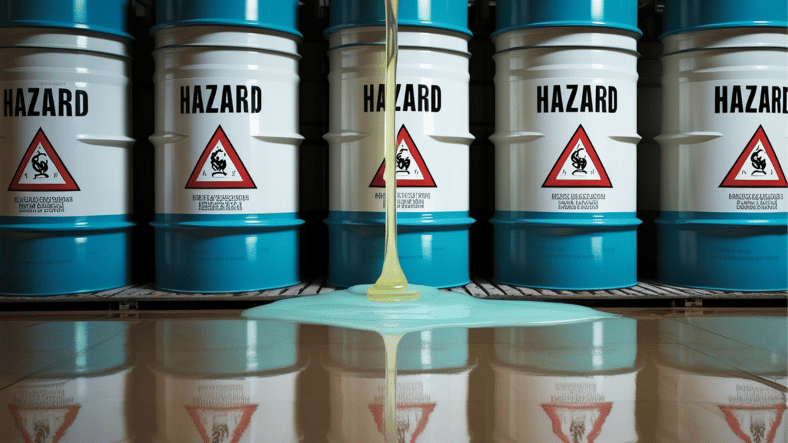
What Is a Workplace Spill Response Plan?
A spill response plan explains what employees should do when a material is accidentally released.
The plan should be based on the materials used or stored at your workplace and the hazards they present.
Depending on your operation, that could include:
- Oil and lubricants
- Fuel
- Cleaning chemicals
- Paints and coatings
- Solvents
- Battery chemicals
- Industrial chemicals
- Bodily fluids
- Other hazardous substances
Your plan should also identify who is responsible for responding, what equipment is available, and when employees should evacuate or call for outside assistance.
Not Every Spill Is an Emergency
This is one of the most important things to understand.
OSHA’s Hazardous Waste Operations and Emergency Response standard, commonly called HAZWOPER, makes an important distinction between an incidental release and an emergency response.
An incidental release is one that employees in the immediate area can safely absorb, neutralize, or otherwise control without creating a significant safety or health hazard.
An uncontrolled release of a hazardous substance, or a release that creates a significant potential for fire, explosion, or exposure, can require a much different response.
In other words:
A small spill that you can safely control is not the same thing as an uncontrolled hazardous-material release.
That distinction matters.
Employees should never be encouraged to “just clean it up” simply because a spill looks small.
Step 1: Stop and Identify the Hazard
Before anyone reaches for a spill kit, stop.
Ask:
What spilled?
If the material is unknown, employees should not guess.
Check the container label and the Safety Data Sheet (SDS), when available. The SDS can provide important information about hazards, handling, required PPE, first aid, storage, and accidental-release measures.
Employees should also consider:
- Is the material flammable?
- Can it produce harmful vapors?
- Can it burn the skin?
- Can it damage the eyes?
- Is it reactive?
- Is there a risk of exposure?
- Is the spill spreading?
- Could it reach a drain or waterway?
- Is there a fire or explosion hazard?
If employees cannot safely identify or assess the material, back away and get help.
Step 2: Protect People First
The first priority is not saving the floor.
It’s protecting people.
Depending on the situation, the appropriate response may include:
- Alerting nearby employees
- Isolating the area
- Preventing unnecessary access
- Moving employees away from the release
- Using an emergency alarm
- Evacuating the area
- Calling emergency responders
Do not let the desire to save a product, floor, machine, or cleanup cost put someone in danger.
People first. Property second.
Step 3: Know Your Spill Kit
A spill kit is only useful if employees know where it is and know how to use it.
A basic spill kit may include items such as:
- Absorbent pads
- Absorbent socks or booms
- Granular absorbent
- Disposal bags
- Gloves
- Eye protection
- Protective clothing
- Warning or caution tape
- Other equipment appropriate for the material being handled
The right kit depends on the hazard.
For example, an oil-only spill kit is designed for petroleum-based liquids. A universal kit may be suitable for many non-aggressive liquids. Chemical spills may require specialized absorbents and PPE.
One spill kit does not automatically fit every spill.
Step 4: Wear the Right PPE
PPE should be selected based on the hazard.
That may include:
- Chemical-resistant gloves
- Safety glasses
- Goggles
- Face shields
- Protective clothing
- Chemical-resistant aprons
- Respiratory protection when required
- Safety footwear
The important word is appropriate.
A pair of disposable gloves may be perfectly reasonable for one cleanup and completely inadequate for another.
OSHA’s HAZWOPER requirements emphasize hazard evaluation and the use of appropriate engineering controls, work practices, and PPE for covered hazardous-material operations.
Employees should know what PPE is required before they begin cleanup.
Step 5: Stop the Spill From Spreading When It Is Safe
If the situation is safe to control, employees may need to prevent the material from spreading.
That might mean:
- Uprighting a container
- Closing a valve
- Placing absorbent socks around the spill
- Protecting nearby drains
- Using appropriate absorbent material
- Moving unaffected materials away from the area
But there is an important limitation:
Do not attempt to stop a release if doing so would expose an employee to an unsafe condition.
Containment is not worth an injury.
Step 6: Keep Spills Away From Drains
A spill that reaches a floor drain can quickly become a much bigger problem.
Depending on the material, a release can move beyond the immediate work area and potentially reach wastewater systems, soil, or waterways.
That’s why drain covers and absorbent socks can be valuable components of a spill response program.
Employees should know where these supplies are located before an emergency happens.
Step 7: Clean Up and Dispose of Materials Properly
Once the spill has been safely contained, cleanup materials still need to be handled correctly.
Used absorbents, contaminated PPE, containers, and other cleanup materials may need special handling or disposal depending on what they contain.
Don’t assume that everything used to clean up a chemical spill can simply go into the regular trash.
The material, the amount released, and applicable environmental and waste requirements can all affect disposal decisions.
When in doubt, consult the SDS, your workplace procedures, environmental requirements, and qualified professionals.
When Should Employees NOT Clean Up a Spill?
This may be the most important section of this article.
Employees should not attempt to clean up a release simply because they have access to a spill kit.
Stop and get help when:
- The material is unknown.
- The spill is spreading rapidly.
- There is a fire or explosion hazard.
- Dangerous vapors are present.
- Employees may be exposed to a hazardous substance.
- The spill is beyond the employee’s training.
- The required PPE is not available.
- The release cannot be safely contained.
- The incident requires specialized equipment or trained responders.
- The workplace emergency plan calls for evacuation.
OSHA’s HAZWOPER standard specifically distinguishes emergency response to uncontrolled releases from incidental releases that can be safely controlled by employees in the immediate area.
Knowing when not to respond is part of good emergency preparedness.
Training Matters
A spill response plan only works if employees understand it.
Employees should know:
- What materials they may encounter
- Where SDSs are located
- Where spill kits are stored
- What PPE is required
- How to report a spill
- How to isolate an area
- When they can handle an incidental spill
- When they should evacuate
- Who to contact for help
For workplaces covered by HAZWOPER emergency-response requirements, OSHA has specific training requirements based on the employee’s role in the response.
Don’t Forget to Check the Spill Kit
This one sounds obvious.
It isn’t.
Spill kits have a way of becoming the workplace equivalent of the junk drawer.
Someone uses half the absorbent.
The gloves disappear.
The disposal bags get borrowed.
Nobody replaces anything.
Then six months later, there is a spill.
And suddenly everyone discovers that the “spill kit” isn’t really a spill kit anymore.
Check your supplies regularly.
Make sure employees can find them quickly.
Replace used or expired supplies.
Keep the appropriate PPE nearby.
And make sure the equipment matches the hazards present in your workplace.
A Quick Spill Response Checklist
Use this as a simple starting point for your workplace:
☐ Do employees know how to report a spill?
☐ Are hazardous materials clearly identified?
☐ Are current SDSs accessible?
☐ Does your workplace have the right type of spill kit?
☐ Do employees know where spill kits are located?
☐ Is appropriate PPE available?
☐ Do employees know when they can handle an incidental spill?
☐ Do employees know when to evacuate?
☐ Are emergency contacts easy to find?
☐ Are used spill supplies replaced promptly?
☐ Are employees trained on your spill response procedures?
If you answered “I’m not sure” to a few of these, that’s a good reason to review your spill response plan.
Spill Preparedness Is Part of Emergency Preparedness
A spill doesn’t have to become a major emergency.
Good preparation can help employees recognize the hazard, protect themselves, contain an appropriate release, and get the right help when the situation goes beyond their training.
That starts before the spill happens.
Know your hazards.
Know your procedures.
Know your PPE.
Know your spill supplies.
And most importantly, know when to walk away.
Keep Building Your Emergency Preparedness Plan
This article is part of our National Preparedness Month work place safety series.
Continue exploring the series:
- National Preparedness Month: Your central resource for workplace emergency preparedness.
- 10 Workplace Emergency Preparedness Mistakes That Could Leave Your Team Unprepared.
- What Does OSHA Require for an Emergency Action Plan?
- Workplace Emergency Kits: What Should You Actually Have on Hand?
- First Aid and Emergency Supplies: What Does Your Workplace Really Need?
- Emergency Preparedness for Construction Sites: What Changes When the Jobsite Changes?
- Evacuation vs. Shelter-in-Place: Does Your Workplace Know the Difference?
- Emergency Drills: How to Test Your Plan Before You Need It.
- Severe Weather Emergency Preparedness: Is Your Workplace Ready?
- Spill Happens: Workplace Spill Response and Preparedness.
And don’t forget to download our Workplace Emergency Preparedness Checklist to help identify gaps in your current
Important Note
This article is provided for general educational purposes and is not legal or safety consulting advice. Emergency drills should be planned for the specific hazards and conditions of your workplace. Do not conduct exercises that create unnecessary risk or interfere with actual emergency response. Follow applicable OSHA requirements and coordinate with appropriate safety personnel and emergency responders when necessary.
Sources
- OSHA, 29 CFR 1910.120 — Hazardous Waste Operations and Emergency Response
- OSHA, HAZWOPER — Standards
- OSHA, The Application of HAZWOPER to Worksite Response and Cleanup Activities