
Construction season is ramping up across East Tennessee, and contractors are preparing for busy schedules, hotter temperatures, and evolving safety demands. At Southern Safety Supply, we’re helping crews stay ready with dependable PPE, emergency deliveries, safety expertise, and practical solutions built for real jobsites. From TN811 growth to women-specific PPE and hands-on safety training at Safety Fest TN 2026, here’s what matters most this month.
East Tennessee Construction Growth Means Crews Need Reliable Safety Partners
Summer work is accelerating across Tennessee, and contractors are feeling the pressure to keep projects moving safely and efficiently. With over 317,000 dig requests processed annually through Tennessee 811, East Tennessee continues leading the state in new requests, with Knoxville ranking #1 in growth activity.
That growth creates opportunity—but also increases the need for dependable suppliers, fast turnaround times, and safety support contractors can count on.
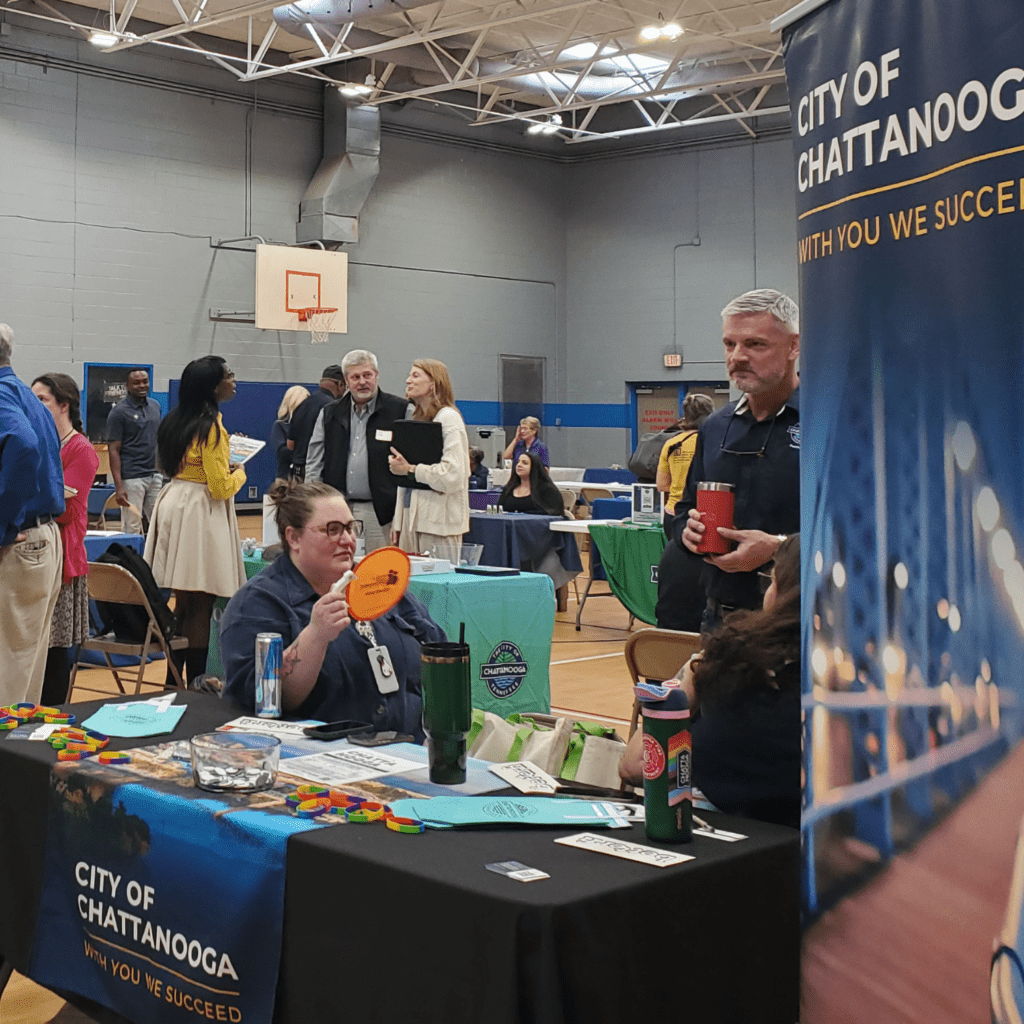
One thing we continue hearing from utilities and contractors alike is simple: relationships matter. During a recent AGC lunch & learn, representatives discussed how organizations like Chattanooga Electric Power Board prioritize dependable supplier partnerships and responsive customer service just as much as competitive pricing.
That’s exactly where Southern Safety Supply LLC helps customers succeed. Whether crews need emergency PPE delivery, replacement safety gear, or quick answers from someone who understands the field, having the right support partner keeps projects moving.
Three Quick TN811 Reminders for Busy Crews
Dig permits aren’t just for large commercial projects—homeowners need them too.
Every contractor must have their own permit. Borrowing someone else’s permit is not allowed.
Bottom line: whether you’re breaking ground on a major commercial site or tackling a weekend residential project, TN811 is one of the easiest ways to keep crews safe and projects on track.
Safety Fest TN 2026 Put Real-World Safety Front and Center
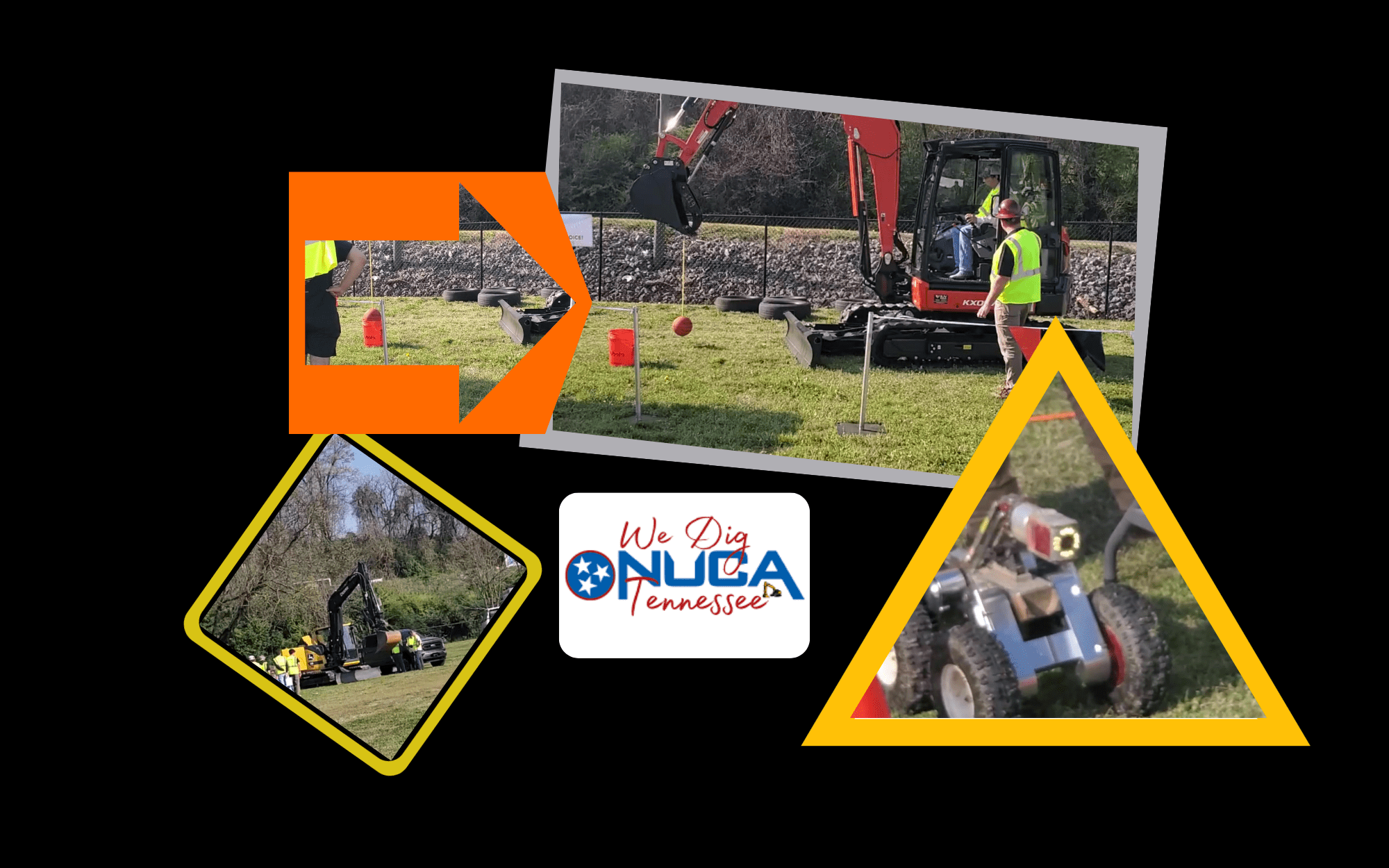
Safety Fest TN 2026 brought safety to life with hands-on demonstrations, live field operations, and real-world training scenarios that went far beyond the classroom.
Participation from the Tennessee Valley Authority and the Tennessee Army National Guard added practical field perspective, while attendees including Consolidated Nuclear Security highlighted the strong industry engagement surrounding workplace safety this year.
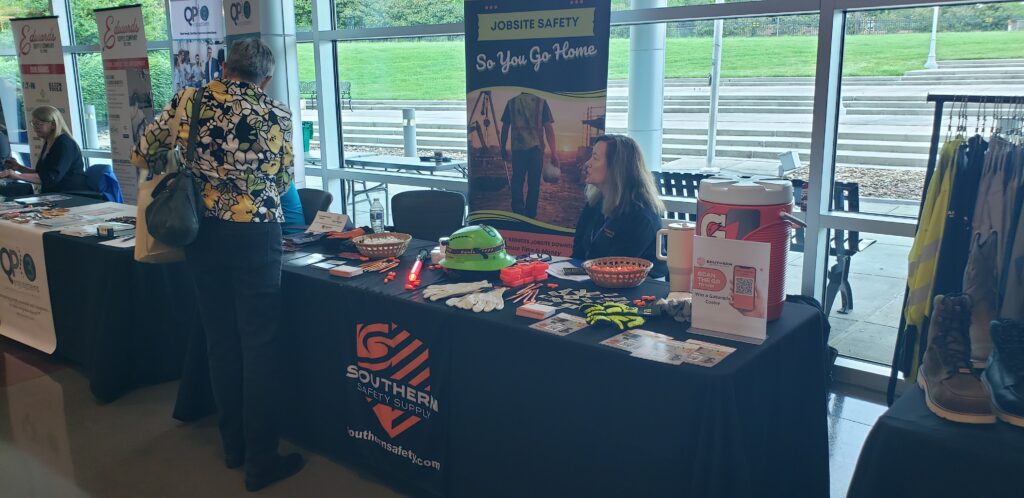
Events like Safety Fest reinforce an important reality:
crews need more than products. They need fast support, knowledgeable partners, and access to safety solutions that actually work in the field.
That’s why Southern Safety Supply continues investing in services that help customers respond quickly when problems happen, including:
- Emergency PPE delivery
- Never Out safety supply services
- Fast replacement options for damaged equipment
- On-site support and product recommendations
- Specialized PPE solutions for different workforce needs
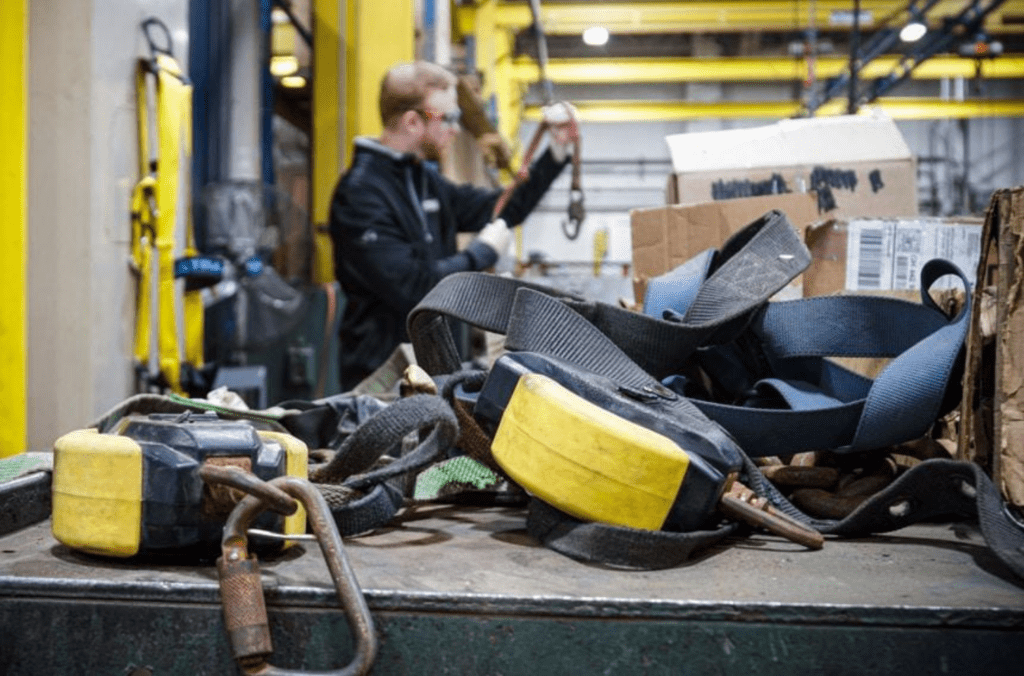
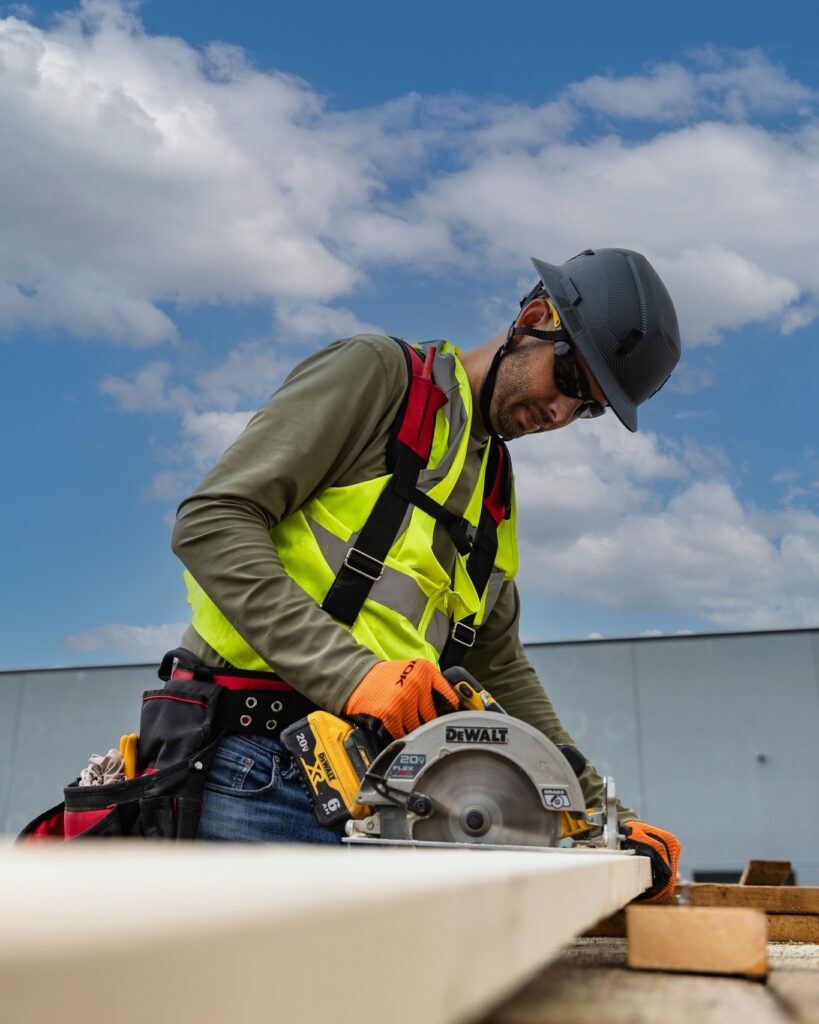
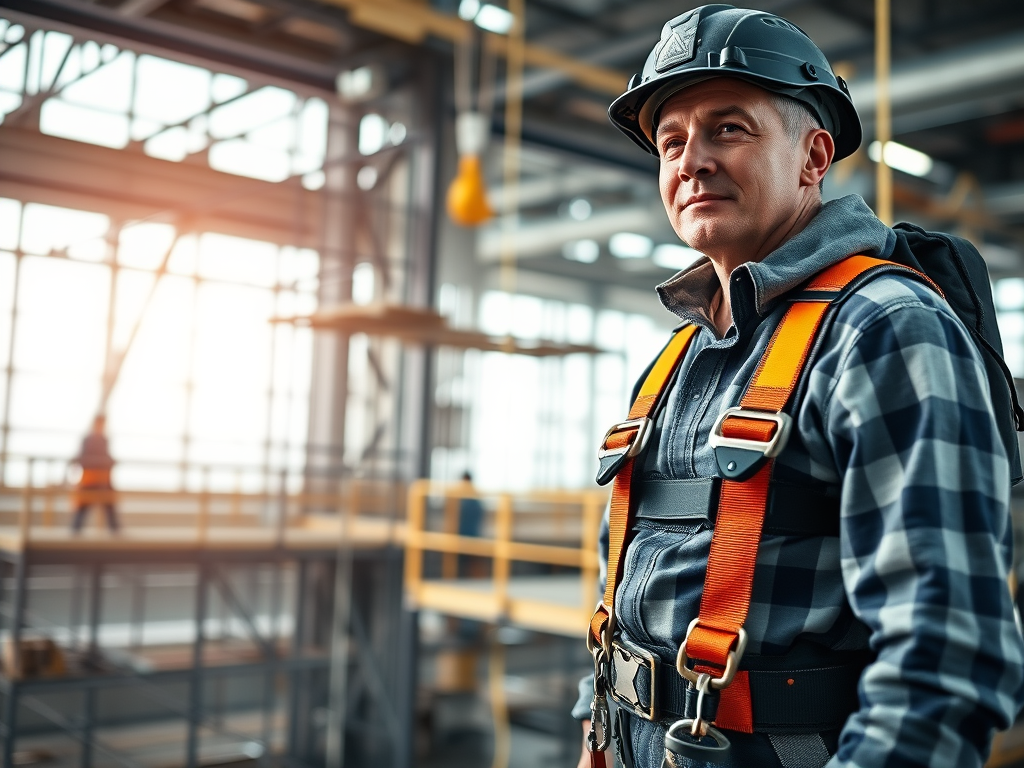
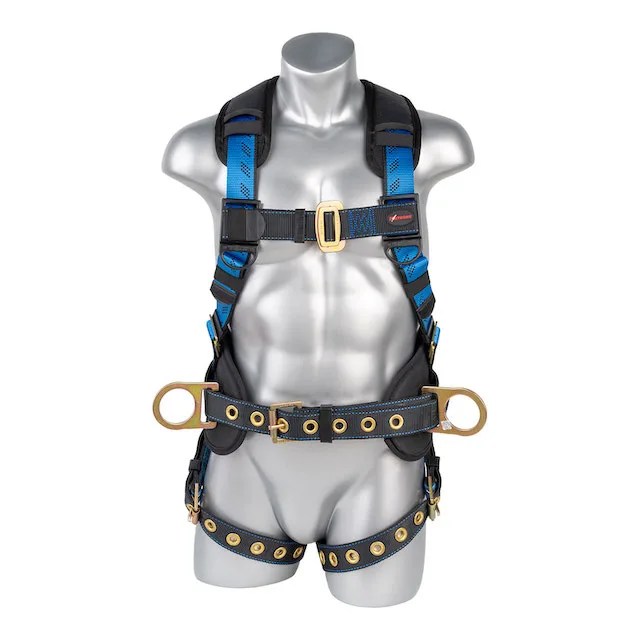
5 Signs Your Fall Arrest Harness May Need Replaced
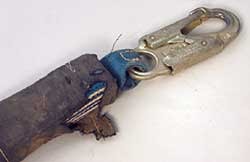
- Frayed webbing or cuts
- Missing labels or inspection tags
- Rusted or damaged hardware
- UV fading or brittle material
- Equipment involved in a previous fall event
If your gear shows any of these signs, it may be time for replacement before the next jobsite inspection—or worse, an incident.
Did You Know?
Southern Safety Supply offers Never Out™ PPE delivery to help crews avoid costly downtime when safety equipment fails unexpectedly.
Women in Construction Deserve PPE That Actually Fits
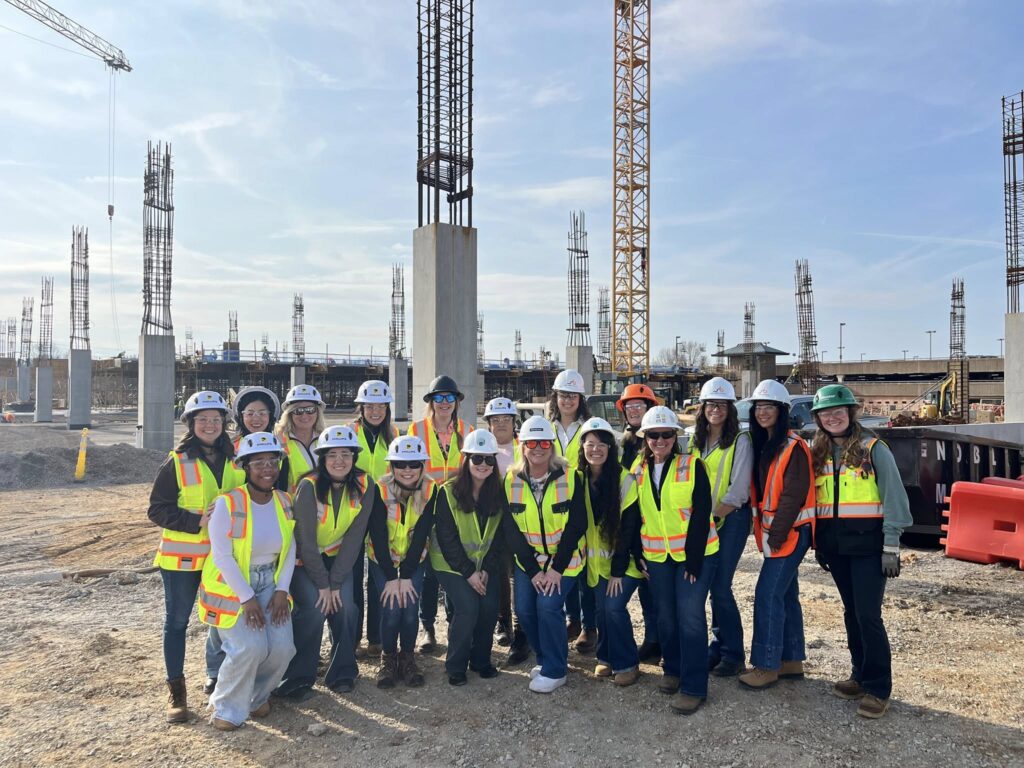
Channeling a little sparkle from Dolly Parton, we’re celebrating the women helping keep Tennessee building strong—and making sure they have PPE designed to truly fit.

Women in construction continue reshaping the industry, but properly fitted PPE is still too often overlooked. Gear built specifically for women improves comfort, mobility, and protection while helping crews stay productive throughout long shifts.
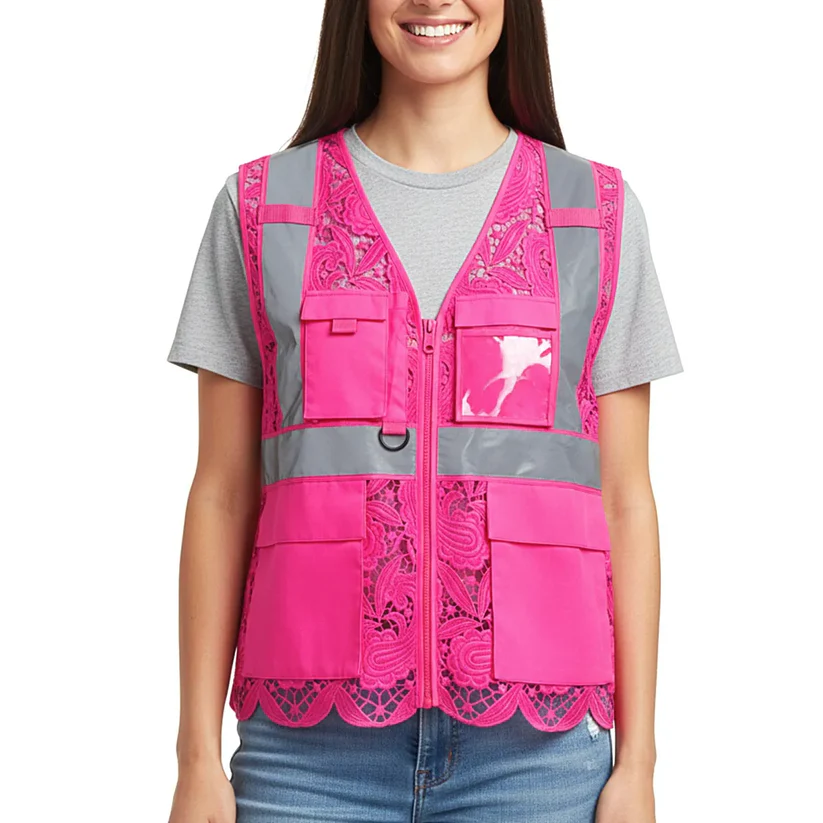
Inspired by the support and encouragement highlighted during the National Association of Women in Construction Southeast Region events, Southern Safety Supply is proud to help outfit hardworking women with safety gear designed for real-world performance.
Whether it’s gloves, high-visibility apparel, harnesses, or protective footwear, the right fit matters.
Stop by our Dolly-themed photo booth—or contact our team to learn more about PPE options designed specifically for women in construction.
Seasonal Safety Reminder
As temperatures rise heading into summer, crews should review heat stress prevention plans, hydration practices, and jobsite dress code policies. Some updated OSHA guidance allows more flexibility depending on site-specific requirements, including the use of shorts in certain environments if approved by site leadership.
Always verify site-specific PPE and dress requirements with your supervisor or safety manager before changing workwear practices.
 What Makes a Good Body Support Harness?