
Why These OSHA Hard Hat Changes Were Needed
For decades, the traditional hard hat changed very little—despite major shifts in how and where work gets done. Today’s job sites are faster, more complex, and expose workers to a wider range of impact risks than ever before. OSHA’s updated approach to head protection reflects one clear reality: most serious head injuries don’t just come from straight-down impacts.
Falls, slips, equipment swing, vehicle strikes, and lateral impacts are now among the most common causes of head trauma in construction and industrial environments. The new OSHA-aligned standards emphasize multi-directional impact protection, improved retention systems, and modern materials—all aimed at reducing preventable injuries and fatalities.
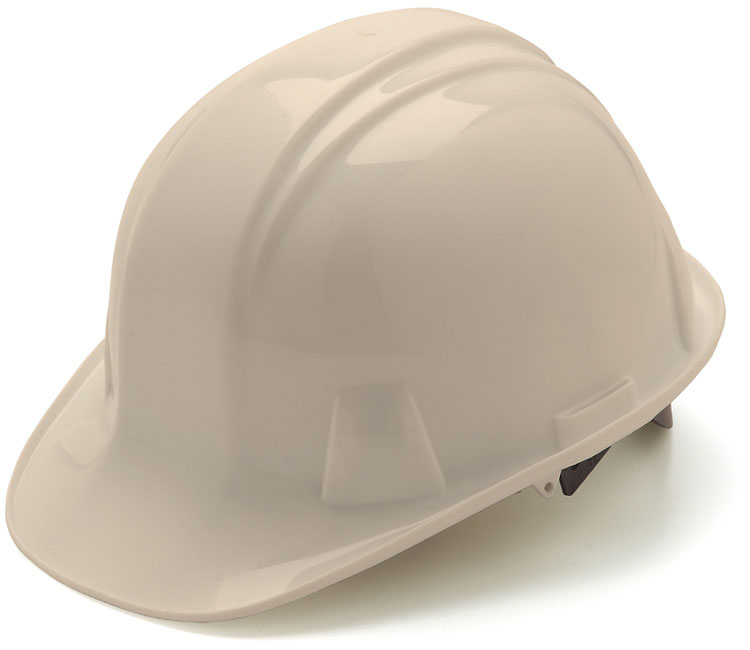
Simply put, the old hard hat design wasn’t enough anymore.
New OSHA Hard Hat Requirements: What’s Changed?
While OSHA itself references ANSI standards rather than issuing its own helmet spec, enforcement expectations in 2025 increasingly align with ANSI/ISEA Z89.1 Type II protection.
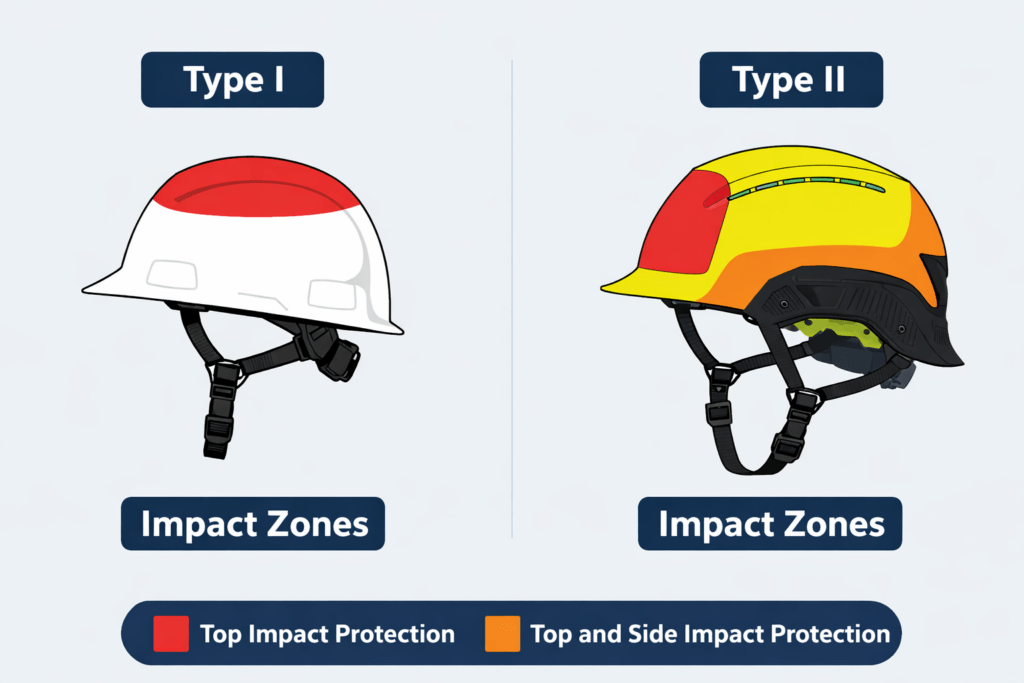
Key changes safety leaders should understand:
- Type II Protection Matters
Unlike traditional Type I hard hats that only protect against top impacts, Type II helmets are designed to protect against front, side, and rear impacts—areas now recognized as high-risk on modern job sites. - Improved Retention Systems
Chin straps and advanced retention systems are becoming essential, not optional. A helmet that comes off during a fall offers little real protection. - Performance-Based Design
Manufacturers are leveraging energy-absorbing materials, advanced ventilation, and ergonomic engineering to improve safety and comfort—because PPE only works if it’s worn.
These changes signal a shift from “minimum compliance” toward real-world protection.
What Makes the New Hard Hats Different?
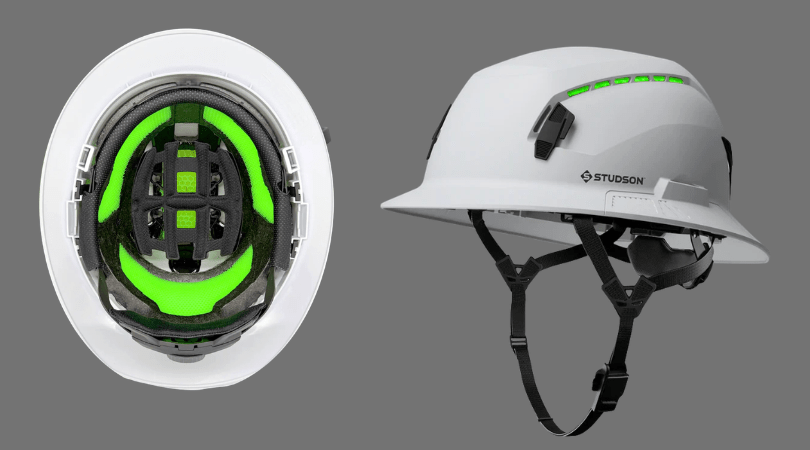
The new hard hat isn’t just a modern version of the same thing—it’s a whole new system. OSHA and ANSI took cues from industries that already lead in head protection—such as rock climbing, cycling, and search & rescue—and applied those principles to industrial job sites. The result is a helmet that:
- Absorbs energy more effectively
- Stays securely in place during movement or impact
- Improves comfort so workers actually keep it on
This evolution represents a fundamental change in how head protection is designed and evaluated.
Better Materials, Smarter Engineering
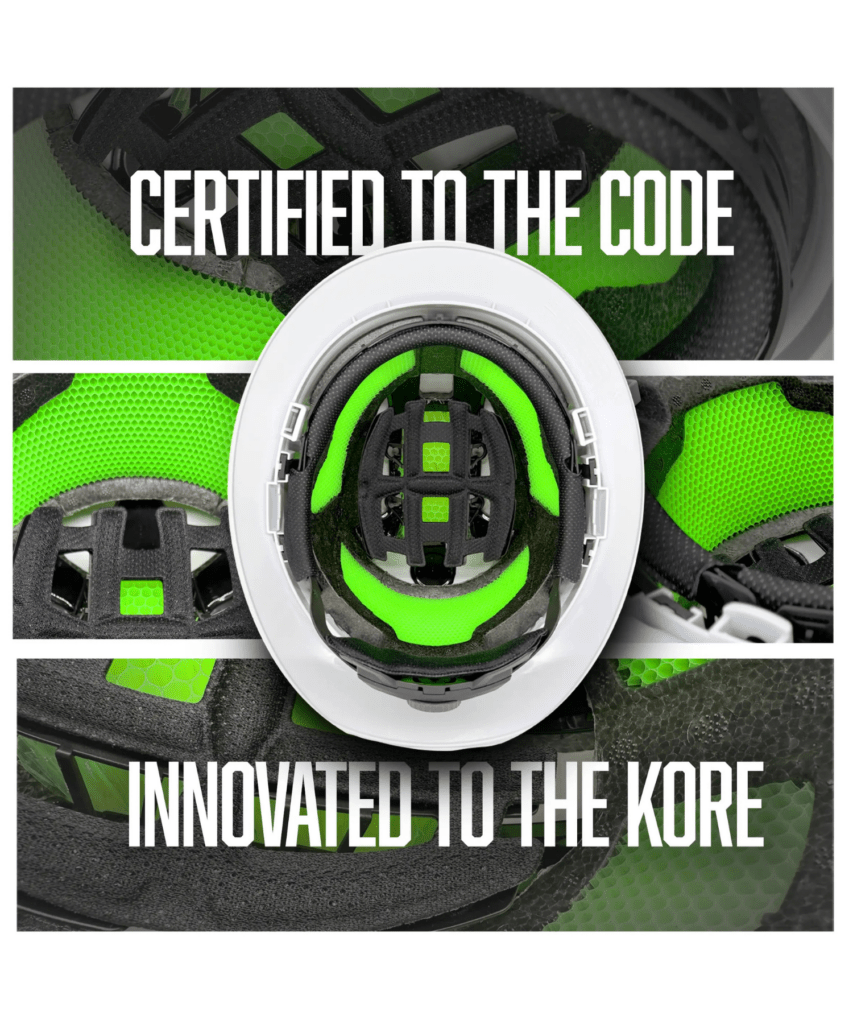
Modern safety helmets use advanced materials and engineering that outperform traditional suspension-only designs.
Key innovations include:
Lighter, vented shells that reduce heat stress
Cellular energy-absorbing cores that crush on impact
Multi-point retention systems that prevent roll-off
These improvements dramatically reduce the force transferred to the head during an impact—helping lower the risk of serious or fatal injury.
Featured Solution: STUDSON SHK-1 Full Brim Vented Safety Helmet
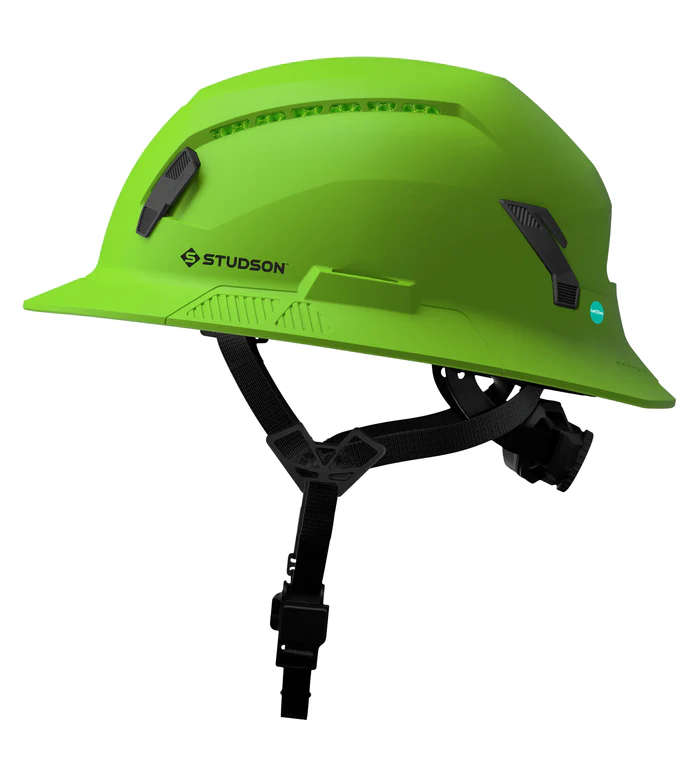
For industrial professionals and safety leaders who prioritize worker safety and comfort, the STUDSON SHK-1 Full Brim Vented Safety Helmet delivers next-generation protection without compromise.
This helmet is ANSI Type II compliant, engineered to safeguard against impacts from the top, front, side, and rear, providing comprehensive protection you can trust.
Key Features
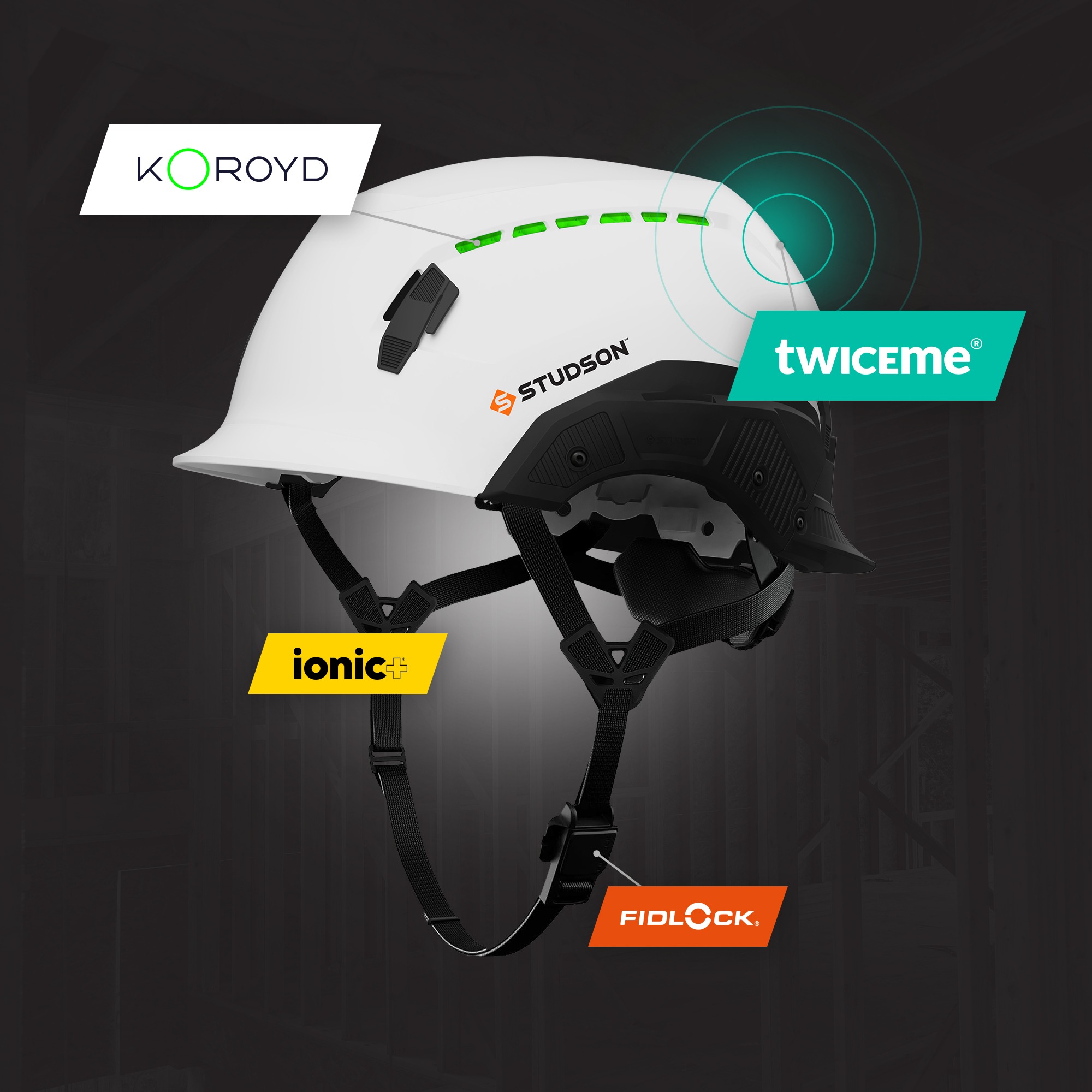
- Advanced Impact Protection The SHK-1 features integrated Koroyd® technology, which goes beyond traditional helmet materials. Koroyd®’s cellular structure instantly crumples on impact, absorbing and dissipating energy far more effectively. This significantly reduces the force transmitted to the wearer’s head—helping minimize the risk of serious head injury.
- Instant Access to Critical Information Every second counts during an emergency. The SHK-1 includes embedded Twiceme® NFC technology, allowing first responders to instantly access pre-loaded emergency contacts and medical information using any NFC-enabled device. Faster access means faster, more effective care.
- Glove-Friendly, Secure Fit The Fidlock® magnetic chinstrap with a 4-point retention system provides a secure fit that’s easy to fasten—even while wearing thick work gloves. No more fumbling with buckles; just quick, reliable security every time.
Compliance & Standards
The STUDSON SHK-1 meets or exceeds the following standards:
ANSI/ISEA Z89.1-2014 (R2019) – Type I & Type II (United States) EN 12492:2012 Clauses:
- Shock Energy Absorption (Front, Side, Rear)
- Penetration Resistance
- Retention System Strength
- Roll-Off Effectiveness
Note: This helmet meets ANSI Type II standards but is not certified to CSA Z94.1 Type II (Canada).
Backed by a 3-year manufacturer’s warranty, the SHK-1 offers a typical field use life of 3–5 years and a shelf life of up to 10 years when stored properly.
All-Day Comfort for Enhanced Productivity
Comfort isn’t a luxury—it’s a productivity factor.
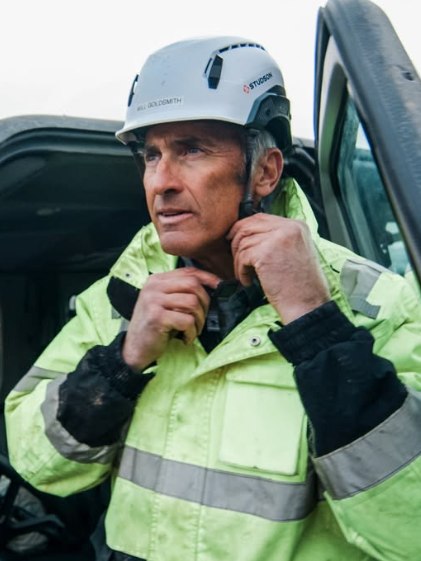
The SHK-1 weighs just 525 g and features a strategically vented design to maximize airflow and reduce heat buildup during long, physically demanding shifts. The Perfect Fit System with adjustable front and rear dials accommodates head sizes from 53–63 cm, ensuring a secure, personalized fit for all-day wear.
When workers are comfortable, compliance goes up—and so does safety.
Built for Your Industry
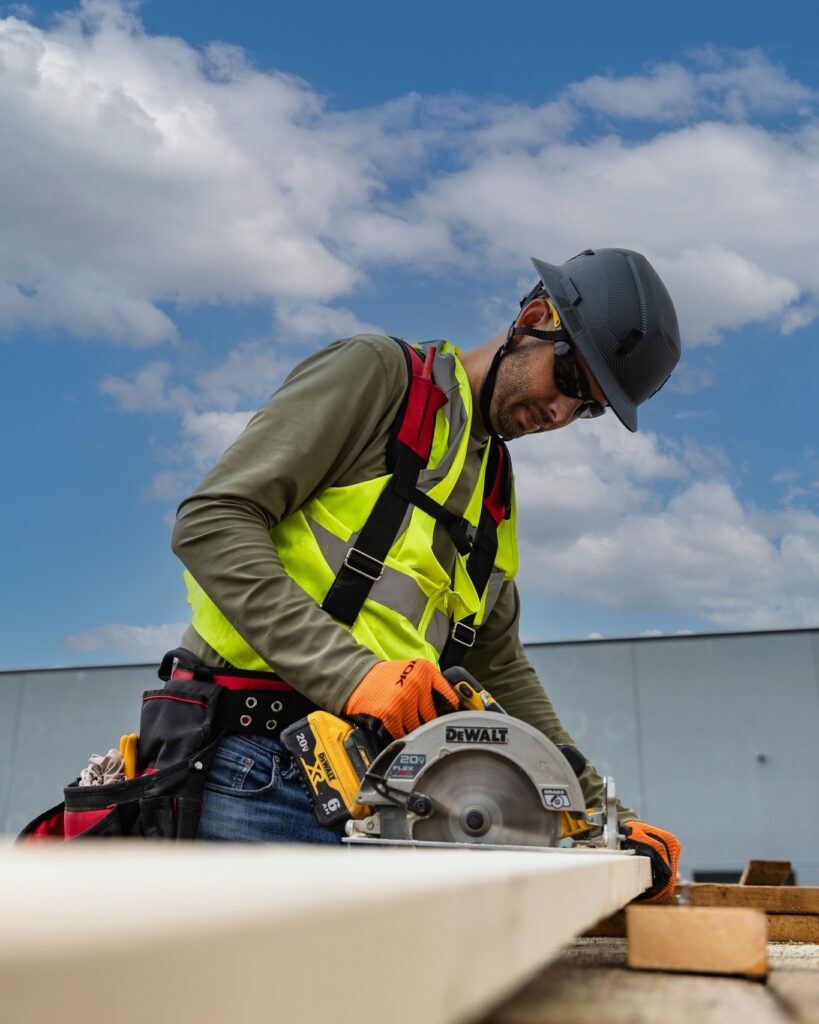
The STUDSON SHK-1 Full Brim Class C Safety Helmet is ideal for:
Other physically demanding trades
Construction
Masonry
Utility and infrastructure work
It is designed for environments where electrical hazards are not a primary concern.
Important Note: This is a Class C (Conductive) helmet and does not provide electrical insulation. Always conduct a job hazard analysis to determine the correct helmet class for your work environment. We carry non-vented versions as well.
The Bottom Line
The 2025 shift toward OSHA-aligned Type II safety helmets isn’t about trends—it’s about reducing real injuries on real job sites.
Upgrading to modern head protection like the STUDSON SHK-1 helps safety leaders:
- Improve impact protection
- Increase PPE compliance
- Support worker comfort and productivity
The future of job site safety is already here—and it starts at the top.
FAQ
What is the difference between Type I and Type II safety helmets?
Type I helmets protect from impacts to the top of the head, while Type II helmets provide both top and lateral impact protection.
Does OSHA require Type II helmets in 2025?
OSHA’s updated 2025 head protection guidance encourages and in some cases requires helmets that protect against both top and side impacts.
Are traditional hard hats still allowed?
In some situations, yes. However, many contractors are moving to Type II helmets to reduce traumatic brain injuries.